The Unyielding Consumer: How a Decade of Headwinds Failed to Slow American Spending

The enduring resilience of the American consumer, even in the face of persistent economic headwinds, has become a defining narrative of the 2020s. Despite a series of challenges including elevated inflation, fluctuating energy prices, trade tensions, a softening labor market, and recurrent recessionary fears, consumer spending has largely defied predictions of a significant slowdown. This sustained spending power, often described with colorful analogies like "spending like drunken sailors," is underpinned by a substantial, albeit complex, expansion of household wealth and a surprising relative improvement in financial standing for a broad segment of the population.
The Persistent Spending Phenomenon
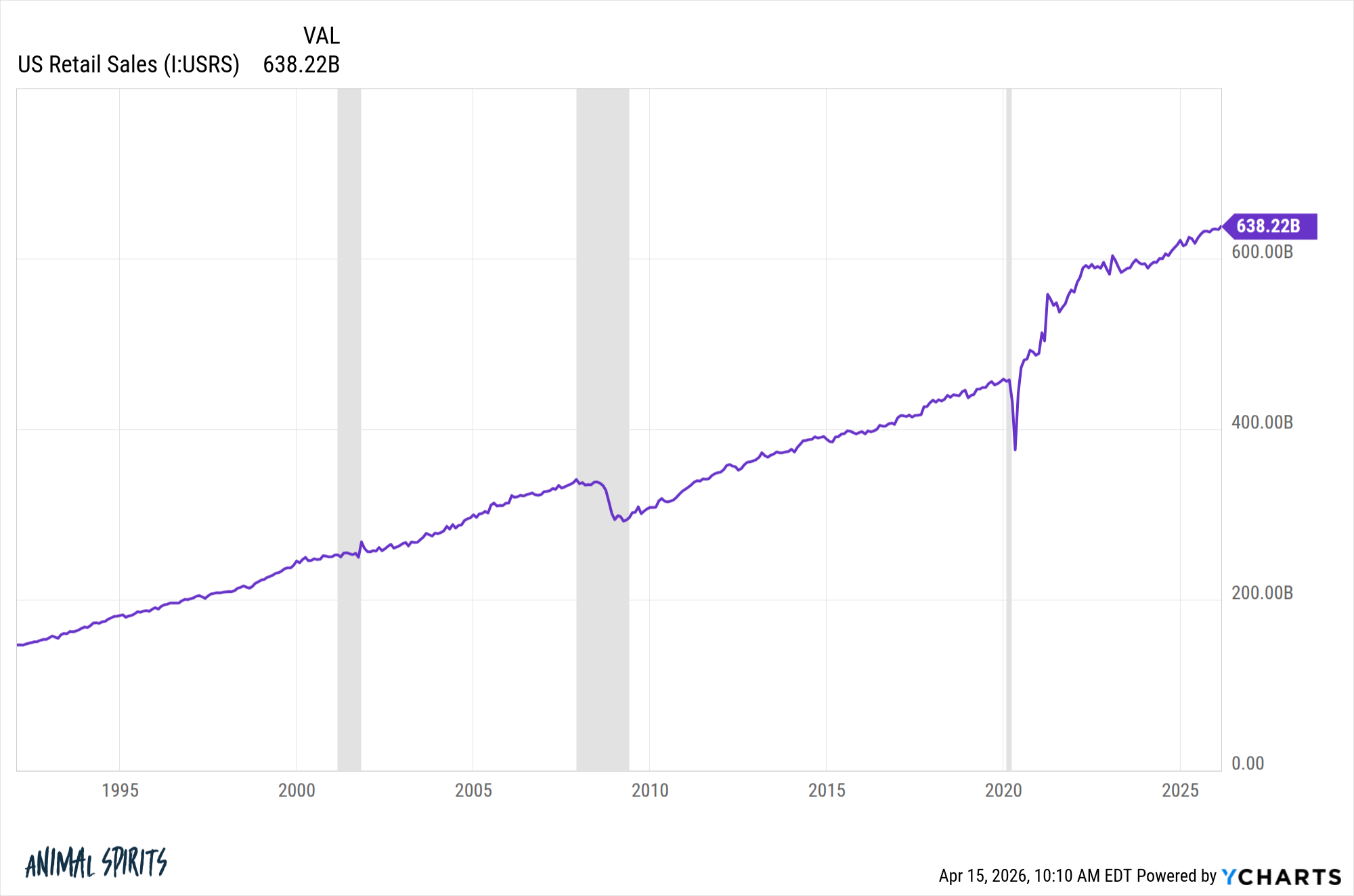
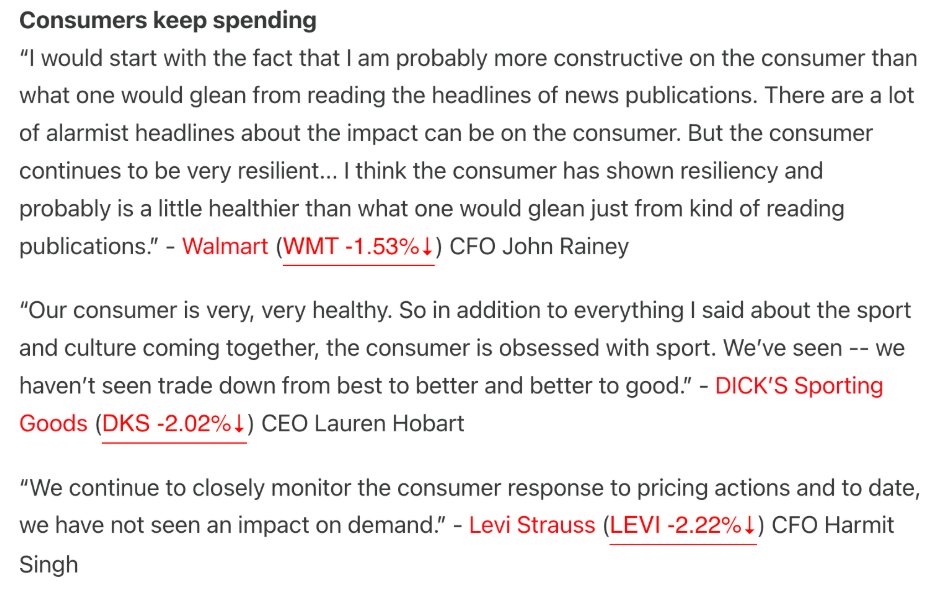
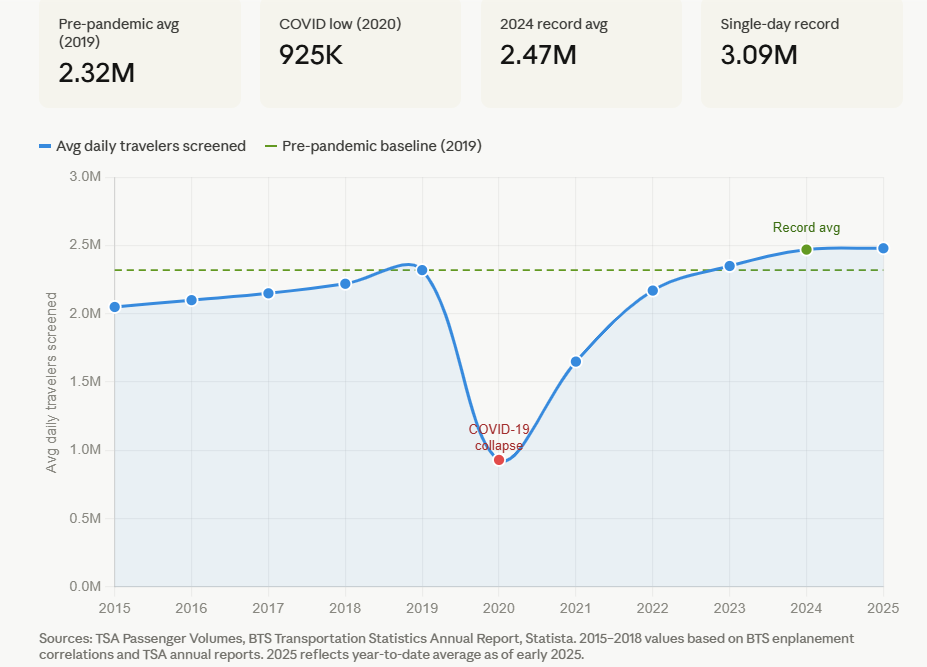
Since the beginning of the decade, analysts and economists have been scrutinizing the consumer’s ability to maintain spending momentum. Data points such as consistently rising retail sales, robust airline traffic, and full dining establishments paint a picture of a vibrant consumer economy. This trend stands in stark contrast to the numerous negative economic indicators that have surfaced over the past six years. Executives from various sectors have echoed this sentiment in recent earnings calls, confirming that consumers remain financially sound enough to continue their purchasing habits. This resilience has led to widespread questioning of earlier forecasts that anticipated a consumer slowdown, particularly the notion that excess pandemic-era savings would be depleted.
The Role of Debt and Assets
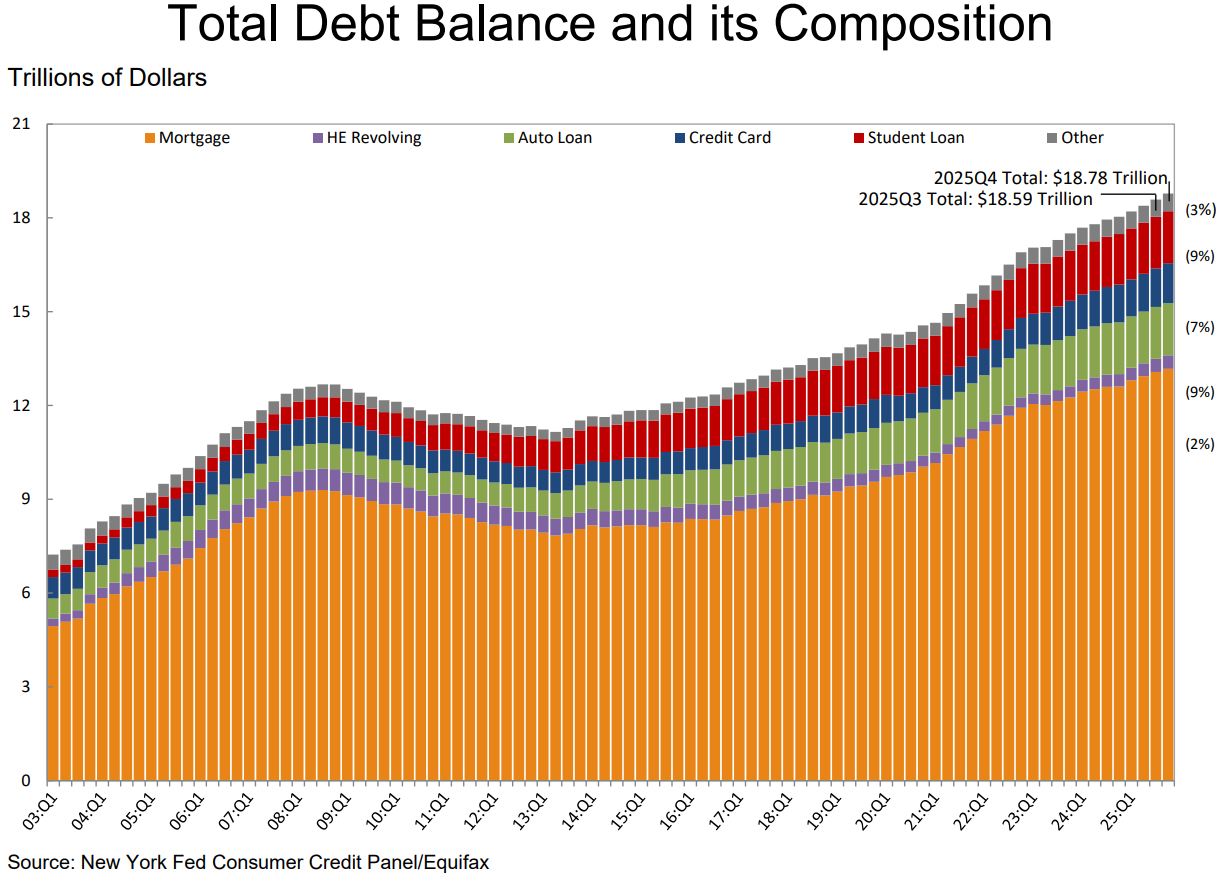
A closer examination of consumer debt reveals a significant increase over the past decade. Total consumer debt climbed from approximately $14.2 trillion at the close of 2019 to an estimated $18.8 trillion by the end of 2025. This upward trend is particularly noticeable in categories such as mortgage debt, which continues to represent the largest portion of liabilities, along with auto loans, student loans, and credit card balances.
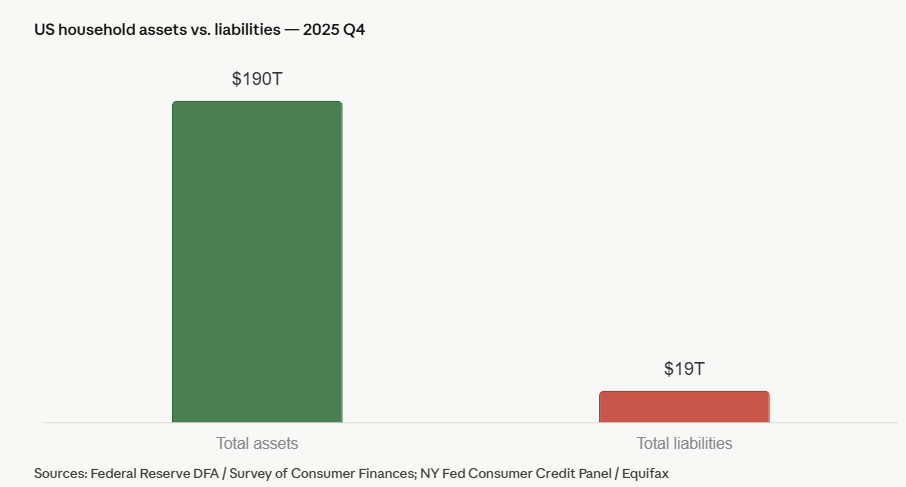
However, focusing solely on the absolute increase in debt can lead to what is known as "denominator blindness." When consumer debt is viewed in relation to household assets, a different perspective emerges. The total value of household assets has grown at a pace that significantly outstrips the growth of liabilities. Crucially, the assets held by households have dwarfed their liabilities, with the growth in assets outpacing debt growth by a ratio of roughly two-to-one over the past six-plus years. This substantial accumulation of wealth provides a critical buffer and a source of ongoing spending power for many Americans.
A Surprising Distribution of Wealth Gains
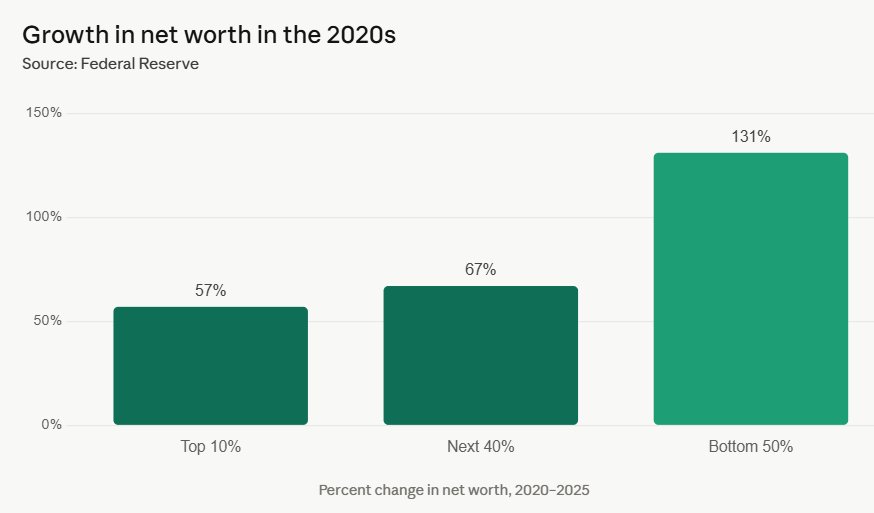
Contrary to the common perception that wealth gains are disproportionately benefiting the ultra-rich, data from the 2020s suggests a more nuanced picture. While the top 10% of the population continues to hold a commanding share of overall wealth, the bottom 90% has experienced notable relative gains in their net worth during this period. This broader distribution of wealth creation has contributed to the sustained consumer spending observed across the economy.
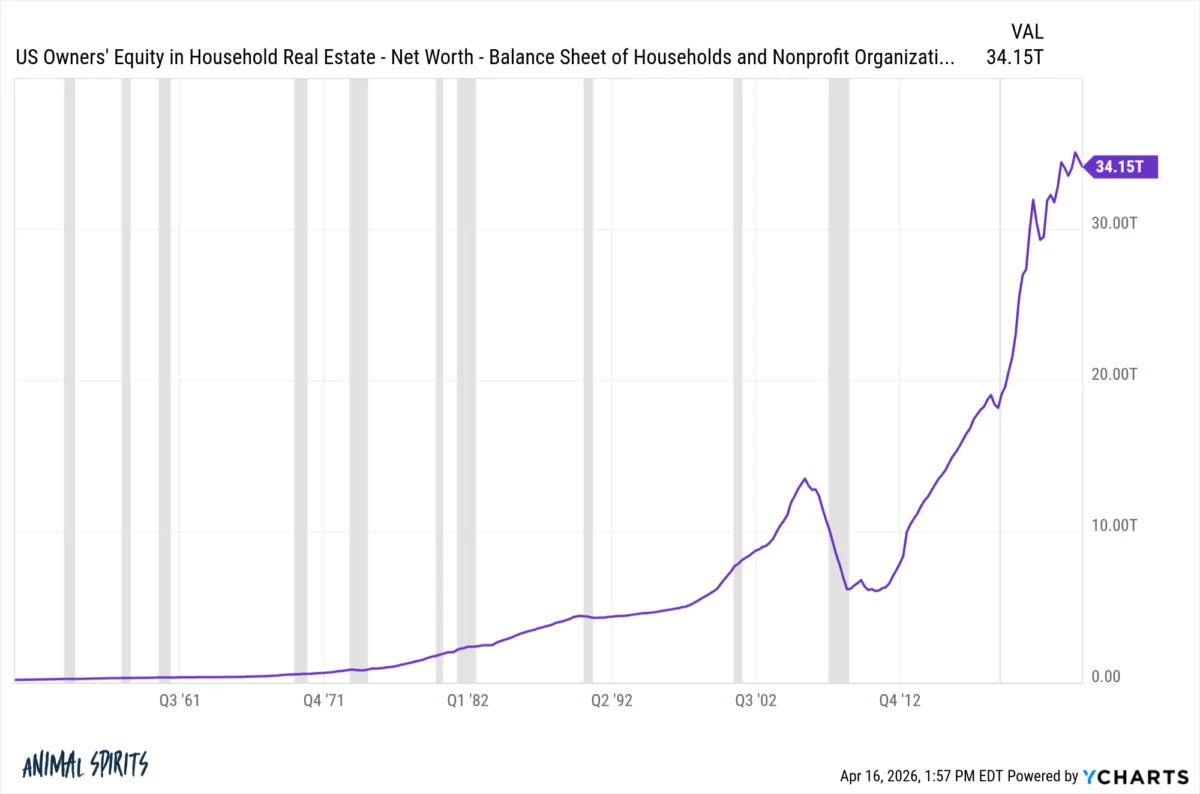
The primary drivers of this wealth explosion have been the performance of the stock and housing markets. Home equity, a significant component of household wealth, has nearly doubled since the end of 2019, providing homeowners with increased financial flexibility. Simultaneously, the accumulation of liquid assets, such as money market funds, has also surged, with these holdings reaching approximately $8 trillion. This combination of rising asset values and increased liquidity offers consumers a substantial financial cushion.
Underlying Economic Factors Supporting Spending
The sustained consumer spending can be attributed to several interconnected factors:
- Wage Growth: While inflation has been a persistent concern, it has been partially offset by increases in wages. This dual effect means that for many, the purchasing power of their income has been maintained or even improved, allowing for continued spending.
- Asset Appreciation: The significant growth in stock portfolios and home equity has created a powerful "wealth effect." As households see their net worth increase, they tend to feel more financially secure and are thus more inclined to spend.
- Abundant Liquidity: The substantial holdings in money market funds and other liquid assets provide a readily accessible pool of funds that can be drawn upon for discretionary spending, even if broader economic conditions are uncertain.
- Strong Corporate Earnings: As indicated by comments from corporate executives, many businesses are reporting healthy consumer demand, which in turn supports employment and investment, creating a positive feedback loop.
- Travel and Leisure Activity: The resurgence and sustained strength in airline traffic and vacation bookings indicate a consumer prioritizing experiences and leisure, further demonstrating a willingness to spend on non-essential goods and services.
Emerging Concerns: Rising Delinquencies
Despite the overall picture of consumer strength, there are emerging signs of stress in specific debt categories. Delinquency rates on credit cards, student loans, and auto loans have been on the rise. This trend warrants close observation, as it could signal future challenges for a segment of the population.
However, it is crucial to contextualize these increases. Foreclosure and bankruptcy rates among households remain at historically low levels. This suggests that while some consumers are facing difficulties managing their debt obligations, these issues have not yet translated into widespread financial distress that would significantly impact overall consumer spending.
The Road Ahead: Uncertainty and Resilience
The question of whether this period of robust consumer spending can continue remains a central point of discussion among economists. Consumer behavior in the United States has historically been characterized by a strong propensity to spend. The current economic environment suggests that as long as households perceive themselves as financially secure, bolstered by their assets and employment, spending levels are likely to remain elevated.
However, this resilience is not without its potential vulnerabilities. A prolonged downturn in financial markets, leading to a significant erosion of household wealth, or a substantial increase in unemployment rates, could shift consumer sentiment and spending patterns. Such developments could trigger a more pronounced slowdown, potentially leading to a broader economic contraction.
The author’s recent appearance on "Ask the Compound" further explored these dynamics, delving into market behavior, portfolio strategies, and wealth management lessons learned during this period. The discussion highlighted the complex interplay of economic factors shaping consumer confidence and spending.
In conclusion, the American consumer’s ability to navigate a decade of economic challenges and maintain strong spending habits is a testament to the significant wealth accumulation experienced, particularly in asset markets, and the relative improvement in financial well-being for a broad segment of the population. While pockets of concern exist, particularly in rising debt delinquencies, the overarching narrative remains one of remarkable resilience. The future trajectory of consumer spending will likely depend on the continued performance of financial markets and the stability of the labor market.