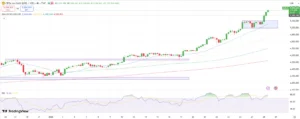
The global gold market is experiencing a significant resurgence as the precious metal has surged by approximately 11% since the beginning of August 2026. This recovery follows a volatile first half of the year, during which gold retreated from its all-time peak of $5,586 per ounce reached in January. After stabilizing near the $4,000 threshold for several months, the recent upward momentum has reignited discussions regarding the metal’s role as a primary hedge against macroeconomic instability and its potential to retest historical highs.
A Chronology of Gold’s 2026 Performance
The trajectory of gold in 2026 has been defined by extreme sensitivity to US monetary policy and shifting geopolitical tides. In January, investor optimism regarding global growth and speculative demand pushed gold to an unprecedented $5,586 per ounce. However, as the Federal Reserve maintained a hawkish stance through the spring, the opportunity cost of holding non-yielding assets like gold increased, leading to a steady decline in prices through the second quarter.
By mid-year, the market had settled into a consolidation phase, with prices fluctuating around the $4,000 mark. The August rally represents a decisive shift in market sentiment. Analysts point to the cooling of US labor market data and moderating inflation as the catalysts that halted the decline. By mid-August, the narrative shifted from fears of aggressive rate hikes to the realization that the Federal Reserve, now under the stewardship of Chairman Kevin Warsh, might adopt a more cautious approach to tightening, thereby providing a floor for gold prices.
Macroeconomic Drivers: The Fed’s Evolving Stance
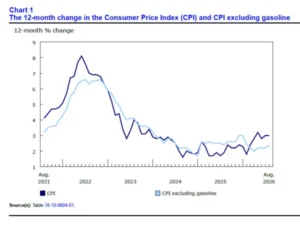
The relationship between the US dollar, interest rates, and gold remains the cornerstone of the metal’s price discovery mechanism. For much of 2026, Wall Street had priced in two interest rate hikes for the latter half of the year. Recent economic reports, however, have painted a more nuanced picture. Cooling consumer price index (CPI) figures and a softening labor market have led market participants to recalibrate their expectations, with the consensus now favoring a single rate hike for the remainder of the year.
The implication for gold is profound. When real interest rates—the nominal rate minus inflation—decline, the comparative attractiveness of gold increases. As an asset that produces no interest or dividends, gold struggles in high-rate environments. With the Fed signaling a potential pivot toward a more dovish stance, the downward pressure on gold has significantly abated, allowing the "safe-haven" premium to re-enter the pricing model.
Central Bank Accumulation and Global Demand Trends
A pivotal component of the current rally is the robust demand from central banks, which have acted as a structural pillar for the gold market throughout 2026. Data from the World Gold Council confirms that after a brief cooling period in the first quarter—largely a reaction to the record-breaking prices earlier in the year—central bank demand surged in the second quarter, reaching levels five times higher than the previous three-month period.
The motivation behind this sustained buying spree is multifaceted, involving a desire for de-dollarization and the need to hedge against domestic economic volatility. According to the latest industry surveys, 45% of central banks intend to expand their gold holdings within the next 12 months. This long-term commitment to gold accumulation provides a steady baseline of demand that shields the market from the more erratic swings driven by retail and institutional speculative trading.
The Czech National Bank’s Strategic Gold Pivot
Among the most active participants in this trend is the Czech National Bank (CNB). As of the second quarter of 2026, the CNB’s reserves have grown to 82.4 tonnes, marking a significant departure from its historical stance on bullion. The bank’s strategic objective is clear: it aims to reach a total of 100 tonnes of gold by 2028.

Data shows that the CNB has been methodical, acquiring approximately 70 tonnes of gold over the past four years. Given its current procurement rate of roughly 20 tonnes per year, the bank is now on track to meet its 100-tonne goal by 2027, effectively pulling its timeline forward by a full year. This aggressive accumulation strategy underscores a broader regional trend among central banks in Central and Eastern Europe, which are increasingly viewing gold as an essential component of national fiscal security.
Geopolitical Uncertainty as a Catalyst
While monetary policy provides the foundation for gold’s price, geopolitical tensions continue to act as the primary catalyst for short-term price spikes. The persistent instability in the Middle East remains a focal point for risk managers. Whenever regional conflicts threaten global supply chains or energy stability, capital naturally gravitates toward gold.
Furthermore, the transition to the new Federal Reserve leadership under Kevin Warsh has introduced a layer of uncertainty that the markets are still processing. Investors are closely monitoring the chairman’s public statements for clues on how the Fed intends to balance its dual mandate of price stability and full employment. In times of leadership transitions, gold often benefits from its reputation as a "neutral" asset that is not beholden to the policy errors or political shifts of any single nation.
Analysis of Implications for Investors
For the average investor, the current environment presents both opportunities and risks. From a medium-term perspective, the structural demand from central banks and the stabilization of interest rate expectations suggest that gold is in a period of consolidation that could support current price levels. However, it is important to distinguish between short-term fluctuations and long-term utility.
In the short term, gold prices remain highly tethered to the "data-dependent" nature of the Federal Reserve. Any unexpected spike in inflation or a robust labor report could trigger a hawkish reaction from the Fed, potentially causing a temporary dip in gold prices. Conversely, should the economy show signs of entering a recession, the demand for safe-haven assets would likely intensify, pushing gold toward its previous highs.
Financial analysts generally categorize gold as a "diversification asset" rather than a growth engine. Its primary value in a portfolio is not to maximize returns during bull markets, but to provide an inverse correlation to stocks and bonds during times of systemic stress. As such, the recent 11% gain is a reminder of the metal’s utility as a hedge, but it should not necessarily be viewed as a signal for a speculative "buy-in" without a clear understanding of one’s own risk tolerance.
The Road Ahead: Will We See New Highs?
Whether gold will breach the $5,586 record set in January remains a subject of intense debate among economists. For a new record to be established, the market would likely need to see a combination of three factors: a significant weakening of the US dollar, a prolonged period of geopolitical instability, and a clear signal from the Federal Reserve that the tightening cycle is not only finished but that a loosening cycle is imminent.
While the macroeconomic environment currently supports a stable to bullish outlook, the lack of a "sharp surge" indicates that the market is waiting for more definitive signals. Gold is currently in a "wait and see" phase. For the investor, the current price levels offer a unique opportunity to reassess the role of bullion within a diversified portfolio. Whether or not the metal hits new highs in the coming months, its role as a bedrock of financial stability appears more cemented than ever.
As we look toward the remainder of 2026, the gold market serves as a mirror to the global economy—reflecting the complexities of inflation, the weight of central bank policy, and the persistent desire for security in an increasingly unpredictable world. For now, the metal remains a key protagonist in the global financial narrative, balancing between the promise of stability and the realities of a shifting economic landscape.