Job Openings to fill those left-behind slots rose, hires jumped, layoffs & discharges fell and were low.

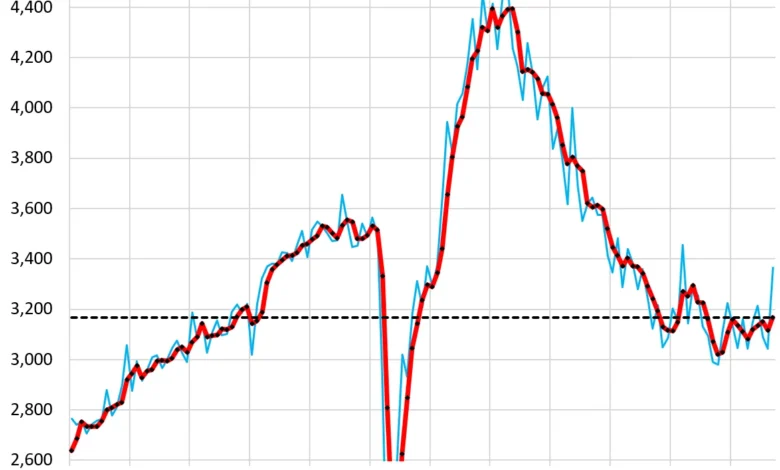
The latest Job Openings and Labor Turnover Survey (JOLTS) data, released by the Bureau of Labor Statistics for the month of September 2026, reveals a labor market characterized by increasing fluidity and high levels of activity. The data indicates that job openings rose by 333,000 to a total of 7.52 million, marking a 4.9% increase over the same period last year. This surge in available positions is fundamentally linked to a significant uptick in voluntary separations, as workers continue to navigate opportunities in a shifting economic landscape.
Anatomy of Labor Market Churn
The current state of the American labor market is defined by "churn"—the continuous process of separations, the subsequent creation of job openings, and the eventual filling of those roles through new hires. According to the Bureau of Labor Statistics, a job opening is only counted if the position is available for hire within 30 days and if the employer is actively recruiting external candidates. Notably, the report excludes internal promotions, transfers, or positions filled by temporary agencies and consultants, providing a refined look at genuine external demand for labor.
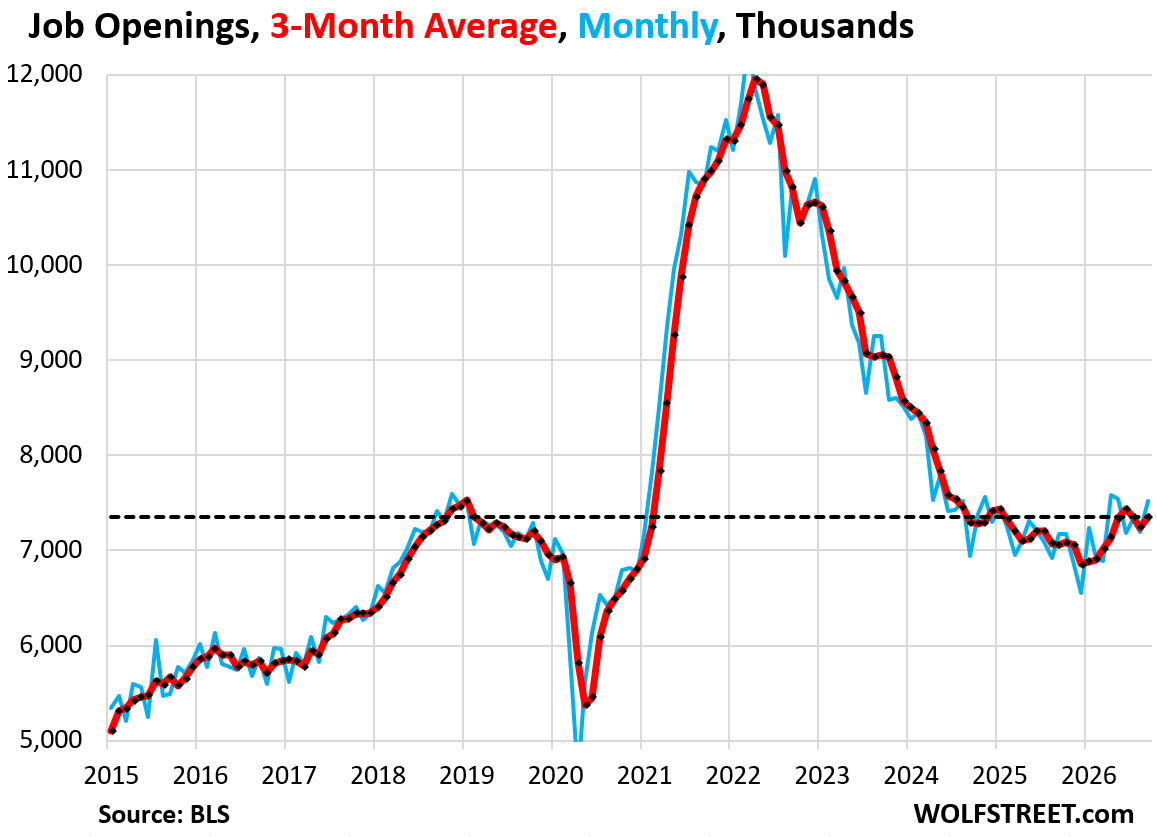
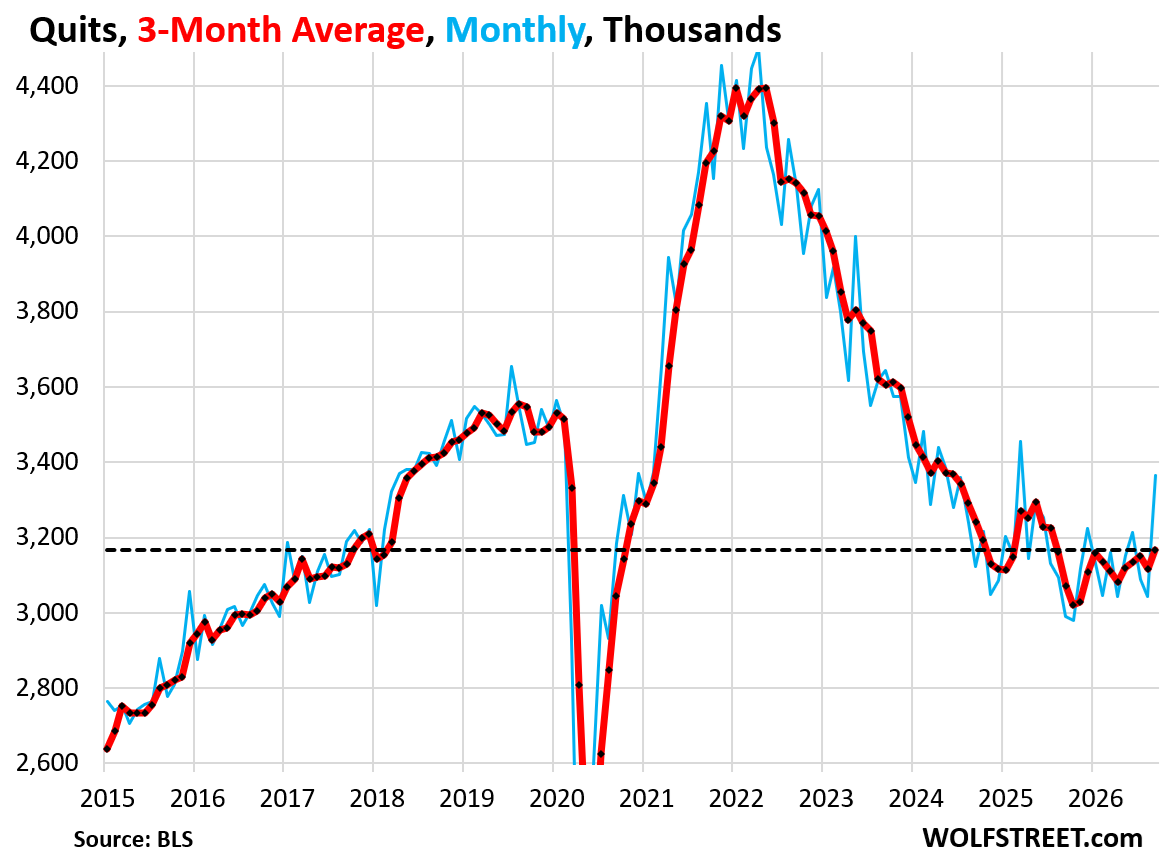
The September figures show a robust dynamic. Voluntary quits, which represent the largest category of labor turnover, surged by 321,000. This represents the most significant month-over-month increase in over three years, bringing the total number of individuals who voluntarily left their positions to 3.36 million. Quits are widely regarded by economists as a primary indicator of worker confidence; when employees voluntarily leave their roles, it is frequently because they have secured alternative employment or feel secure enough in the broader economic environment to pursue better wages, benefits, or working conditions.
Declining Layoffs and Economic Stability
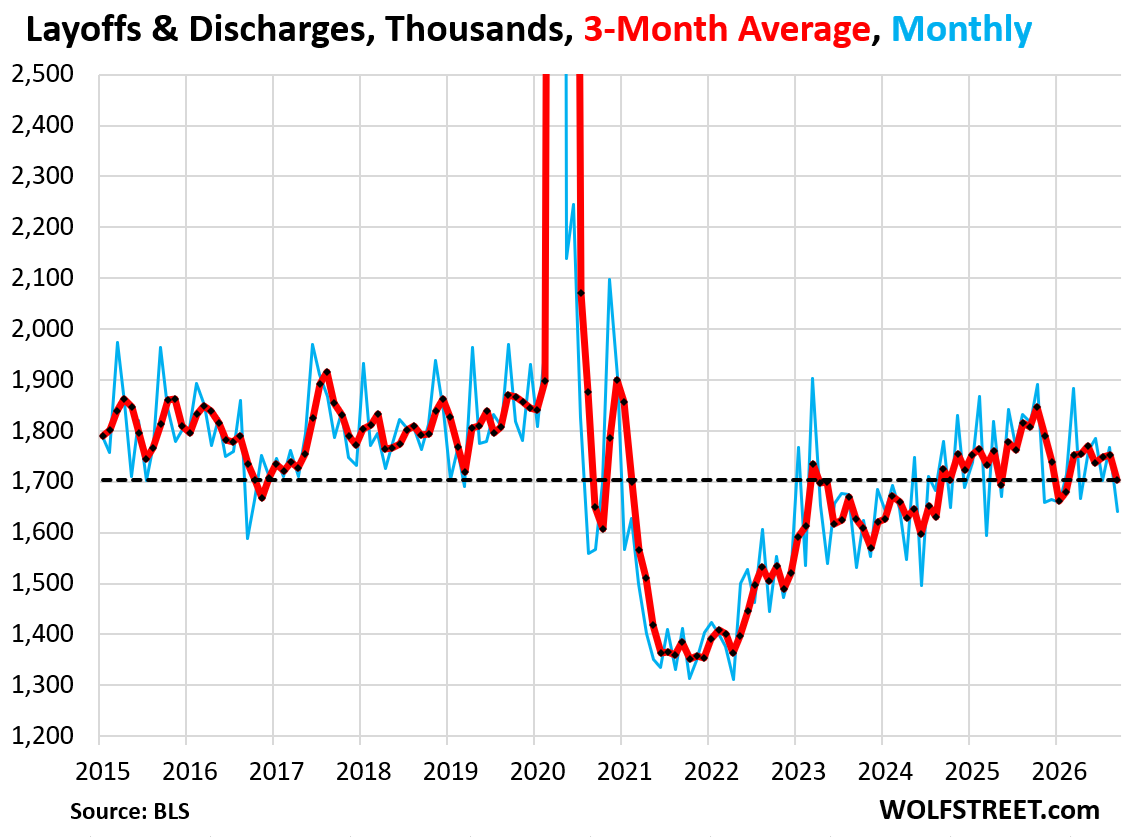
While the number of people leaving jobs voluntarily rose, the number of individuals forced out of their positions moved in the opposite direction. Layoffs and discharges fell by 127,000 in September, dropping to 1.64 million. This figure is particularly notable as it represents the lowest level recorded since March 2025.
When analyzed alongside the historical context of the post-pandemic era, these numbers suggest a return to stability. During the extreme volatility of 2021 and 2022, the labor market faced unprecedented pressure as supply chain disruptions and shifting consumer demand forced rapid reallocations of the workforce. By contrast, the current environment shows that employers are largely holding onto their existing staff. Layoffs and discharges now account for only 31% of total separations, a level consistent with the more stable periods observed in the pre-pandemic decade.
The Role of Retirements and Long-term Separations
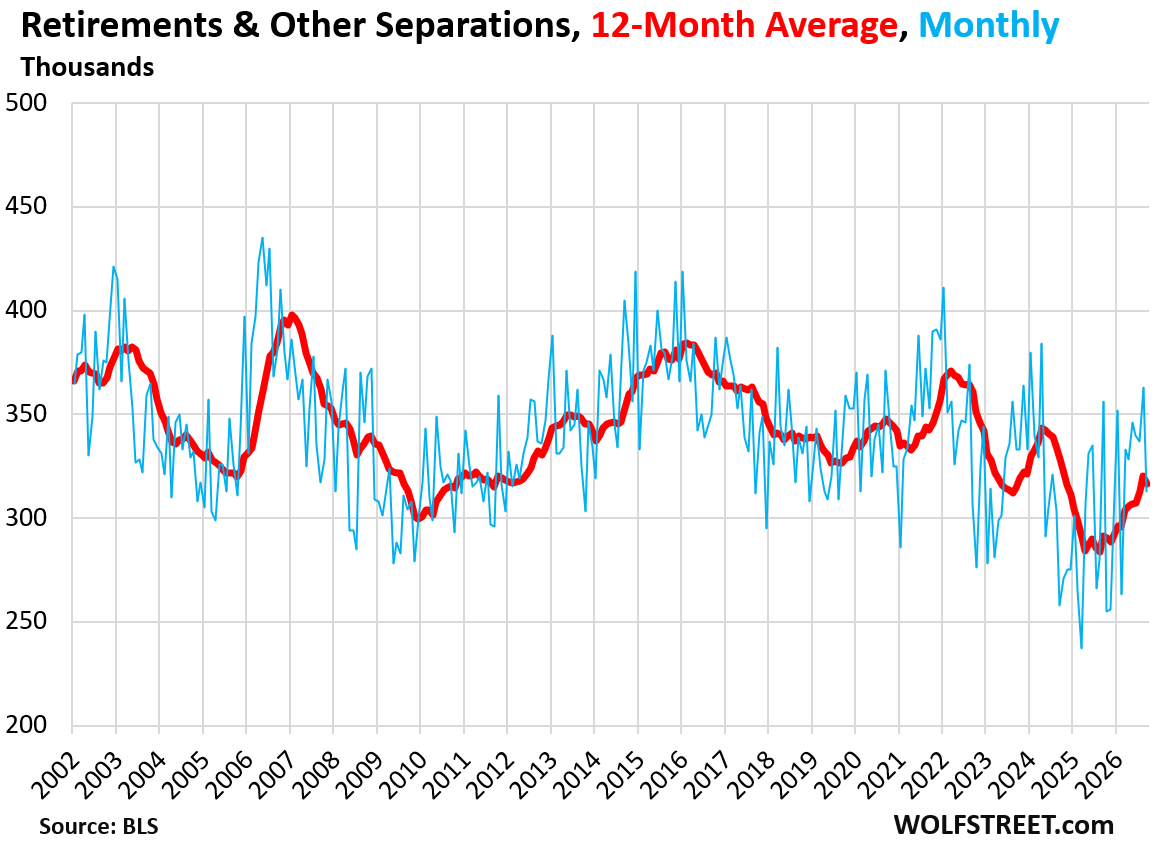
Retirements and other separations—a category that includes deaths while employed and other non-voluntary exits—remained a relatively small component of the total turnover, accounting for approximately 6% of all departures. These figures dropped to 313,000 in September. While this category has seen record lows over the past two years, the 12-month rolling average sits at 317,000, suggesting that while the "Great Retirement" wave has largely ebbed, the demographic shift of an aging workforce continues to create a steady, if predictable, trickle of vacancies that organizations must address.
Hires and the Rematching Process
The influx of job openings and the high rate of quits have necessitated a corresponding rise in hiring activity. Total hires reached 5.40 million in September, an increase of 131,000 from August. This 3.0% year-over-year growth in hiring indicates that firms are not merely posting jobs, but are actively filling them.
It is essential to distinguish between "hires" and "job creation." The JOLTS data tracks the replacement of staff and the filling of vacancies, whereas the nonfarm payrolls report measures net changes in the total number of employed persons. The surge in hiring recorded in September is primarily an effort to fill slots left behind by the recent wave of voluntary quits and natural turnover. This indicates that despite broader concerns about economic slowing in some sectors, the fundamental demand for labor remains strong, driven by a cycle of workers moving between firms to optimize their career paths.
Historical Context: From 2021 to 2026
To understand the current trajectory, one must look at the "Great Churn" of 2021-2023. During that period, the economy experienced a massive, chaotic reshuffling of the labor force. The pandemic-induced labor shortage led to a "tsunami of quits" as workers leveraged the scarcity of labor to demand higher pay and more flexible work arrangements.
While that period was marked by high costs for employers—including increased recruitment expenses, wage inflation, and temporary dips in productivity—economists suggest that it served a necessary function. It facilitated a massive, nationwide rematching of workers to roles that were a better fit for their skill sets and personal preferences. By 2026, that period of extreme volatility has largely been replaced by a more normalized, albeit active, market. The acceleration in churn observed since late 2025 suggests that the labor market is finding a new equilibrium, one that is highly dynamic but less reactive to the acute shocks of the early 2020s.
Economic Implications and Future Outlook
The implications of this data for the broader economy are multifaceted. On one hand, the sustained, high rate of voluntary quits indicates a healthy level of worker confidence and continued labor mobility. When workers move freely, it is typically a sign that the private sector is continuing to invest in human capital.

On the other hand, the combination of strong consumer spending and massive investment in artificial intelligence, as noted in recent economic updates, provides a backdrop for these labor statistics. Businesses that are currently experiencing high growth due to technological integration are likely the same entities driving the demand for new hires. As long as businesses continue to invest heavily in productivity-enhancing technologies like AI, the demand for skilled labor is likely to remain elevated, even as the overall pace of the economy shifts.
Furthermore, the decrease in layoffs is a positive signal for macroeconomic stability. When firms avoid shedding staff, it prevents the negative feedback loops that can lead to recessionary environments. By maintaining their workforce, companies are demonstrating a level of confidence in future revenue streams.
Conclusion
The September 2026 JOLTS report serves as a diagnostic tool for the health of the American worker. By analyzing the interplay between quits, hires, and layoffs, the data paints a picture of a resilient labor market. While the chaotic, high-turnover environment of the early pandemic years has faded, it has been replaced by a sustained, high-velocity market where the rematching of talent to opportunity continues to be a driving force.
As the calendar turns toward the end of the year, the stability in layoffs combined with the healthy churn of quits suggests that the economy is continuing to run at a consistent, if brisk, pace. Observers of the labor market will continue to watch whether this momentum in hiring can be sustained in the face of evolving interest rate environments and shifting consumer demand patterns. For now, the evidence suggests that the labor market is in a period of active, healthy, and normalized expansion.