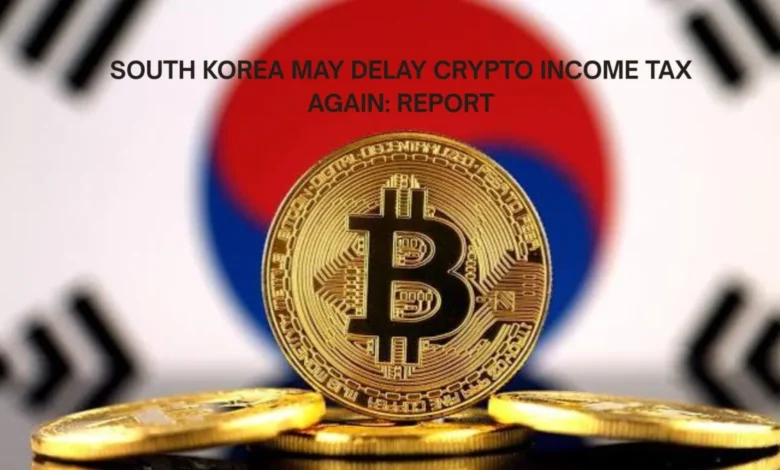
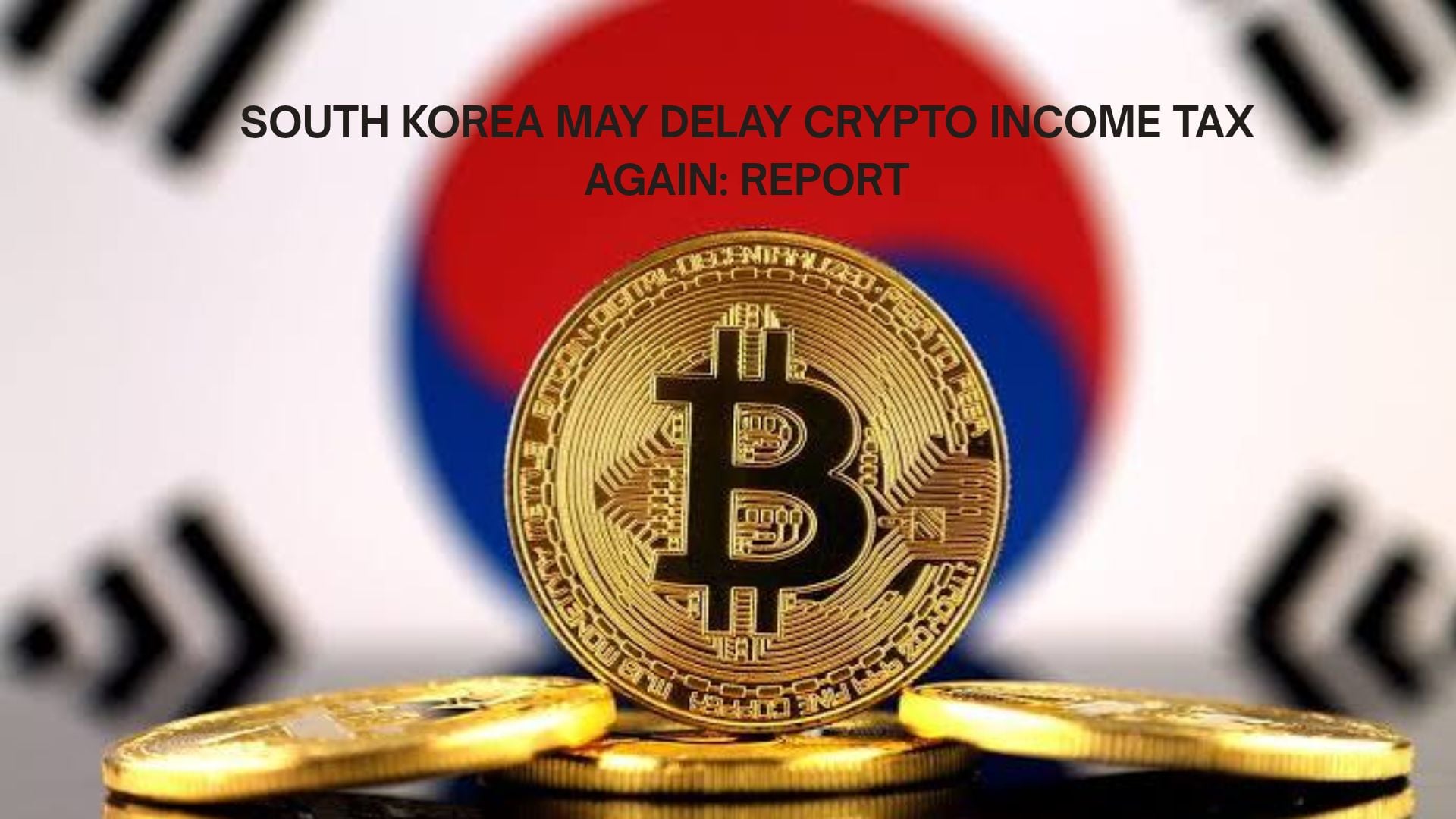
South Korean financial authorities are reportedly considering a significant postponement of the nation’s long-debated cryptocurrency income tax, potentially pushing the implementation date to 2029. While the current legislation is slated to take effect on January 1, 2027, the legislative and administrative hurdles surrounding international data synchronization have led policymakers to revisit the timeline. This potential move would mark the fourth time the South Korean government has deferred the taxation of digital assets, reflecting the profound difficulty of integrating emerging financial technologies into legacy regulatory frameworks.
The Core Conflict: International Data Synchronization
The primary impetus for this potential delay stems from a logistical mismatch between South Korea’s domestic tax enforcement capabilities and the global timeline for the Crypto-Asset Reporting Framework (CARF). Developed by the Organization for Economic Cooperation and Development (OECD), CARF is designed to provide tax authorities with greater transparency regarding digital asset holdings by facilitating the automatic exchange of transaction data between jurisdictions.
South Korea is currently positioned to join the first wave of countries committed to this data-sharing protocol in 2027. However, the United States, a critical hub for global crypto liquidity and trading volume, is not expected to participate in the CARF data exchange until 2029. Because a significant portion of South Korean retail and institutional capital is linked to assets or platforms with exposure to the U.S. financial ecosystem, the inability to access American transaction data creates a "blind spot" for the National Tax Service (NTS).
If the tax were implemented in 2027 as planned, the NTS would face a severe administrative burden. Without automated data feeds from U.S.-based exchanges or custodians, regulators would be forced to conduct manual, case-by-case investigations to verify taxpayer compliance. This would not only be prohibitively expensive and labor-intensive but would also create a regulatory imbalance. Domestic exchanges, which are already strictly monitored by Korean regulators, would be forced to provide reporting, while taxpayers using foreign platforms or self-custody solutions could theoretically evade oversight, creating a tiered market that penalizes domestic service providers.
A History of Legislative Deferrals
The saga of the South Korean crypto tax is characterized by a cycle of announcement, public backlash, and subsequent postponement. The government’s attempt to tax crypto gains has been a centerpiece of the country’s digital asset policy since 2020, yet it remains one of the most volatile legislative items in the National Assembly.
- 2020-2021: The initial legislation was introduced, aiming to impose a 20% tax on annual crypto gains exceeding 2.5 million won. The proposed start date was set for October 2021.
- 2021-2022: Due to intense pushback from the "MZ generation"—a demographic cohort that heavily invests in digital assets—and a lack of readiness among exchanges, the tax was delayed until January 2023.
- 2022-2025: As market conditions shifted and crypto-specific regulatory frameworks (such as the Virtual Asset User Protection Act) took precedence, the implementation was pushed back further, eventually landing on the current 2027 deadline.
This persistent cycle of delay highlights a fundamental tension: while the Ministry of Economy and Finance is keen to tap into the substantial capital gains generated by the domestic crypto market, the political cost of upsetting a highly vocal and politically active base of retail investors has repeatedly stalled the process.
Understanding the Tax Framework
Under current proposals, the tax structure is designed to capture capital gains while maintaining a threshold to protect smaller, retail investors. The system would impose a 22% total levy on profits—a 20% national income tax supplemented by a 2% local income tax. The exemption threshold is currently set at 2.5 million won (approximately $1,800 USD) in annual profits.
Critics of the policy have long argued that the 2.5 million won threshold is too low, particularly when compared to the tax-free allowance for domestic stock investments, which is significantly higher. Proponents of the tax argue that it is necessary to bring crypto assets in line with other traditional investment vehicles, thereby legitimizing the sector and ensuring that the government captures revenue from a highly profitable asset class. However, the lack of a clear "loss carryforward" provision—a common feature in equity tax systems—remains a point of contention among institutional analysts and industry advocacy groups.
Implications for the South Korean Crypto Market
The potential delay until 2029 suggests that the South Korean government is prioritizing market stability and regulatory alignment over immediate tax revenue. By aligning the enforcement date with the U.S. participation in the CARF protocol, South Korea avoids creating an environment where domestic investors are unfairly burdened compared to those utilizing international arbitrage.
However, the delay is not without its downsides. For the government, it represents a continued loss of potential tax revenue. For the crypto industry, the uncertainty regarding the tax regime creates a "wait-and-see" environment. Businesses operating within the sector, including exchanges and custodial services, have had to invest heavily in compliance infrastructure, only to have the goalposts shifted repeatedly. This makes long-term business planning difficult for firms that require a stable regulatory environment to expand their services.
Furthermore, the delay underscores the increasing influence of the OECD’s global standards. As digital assets become more mobile, national regulators are finding that acting unilaterally is increasingly ineffective. The reliance on the CARF timeline demonstrates that South Korea is committed to international cooperation rather than pursuing a fragmented approach that could lead to capital flight or regulatory arbitrage.

Expert Perspectives and Market Reactions
While official statements from the Ministry of Economy and Finance have remained cautious, market analysts suggest that a 2029 delay is a pragmatic, if not inevitable, step.
"The government is balancing two competing interests," says an industry consultant based in Seoul. "On one side, they need to demonstrate that they can effectively monitor and tax digital assets to satisfy international anti-money laundering (AML) and financial transparency requirements. On the other, they are acutely aware that if they tax too aggressively—or too early—without the proper infrastructure, they will simply drive their own citizens toward platforms that fall outside their jurisdiction."
Industry bodies, such as the Korea Federation of Banks and various crypto-asset exchanges, have generally welcomed the prospect of a delay. Their primary argument has always been that the technology for reporting and the administrative capacity for the tax office are not yet mature enough to prevent widespread errors or unintended legal consequences for retail investors.
The Path Forward: What Comes Next?
The decision to delay the tax will likely be debated in the National Assembly in the coming months. If the government decides to formally announce a postponement, it will need to provide a clear roadmap for how the tax office will utilize the next several years to improve its technological capabilities.
Key areas of focus during this potential interim period will likely include:
- Refinement of Reporting Standards: Developing domestic APIs that can seamlessly integrate with the CARF protocol once it becomes fully active.
- Investor Education: Providing clarity on how tax calculations will work for complex assets, such as staking rewards, airdrops, and decentralized finance (DeFi) yield farming.
- Cross-Border Cooperation: Negotiating bilateral agreements that may allow for data sharing with non-CARF jurisdictions ahead of the 2029 deadline.
As South Korea looks toward 2029, the focus remains on building a robust regulatory architecture that treats digital assets with the same level of sophistication as traditional financial instruments. While the prospect of another delay may frustrate those looking for immediate fiscal integration, it highlights a broader trend: as the global crypto economy matures, governments are learning that sustainable regulation is a marathon, not a sprint. The final determination on the 2029 timeline will be a critical indicator of South Korea’s long-term vision for its role as a global leader in the blockchain and digital asset economy.