In another 35 bigger cities, condo prices dropped by 8-14%. How the mind-blowing Condo Bubbles deflate in 34 charts.


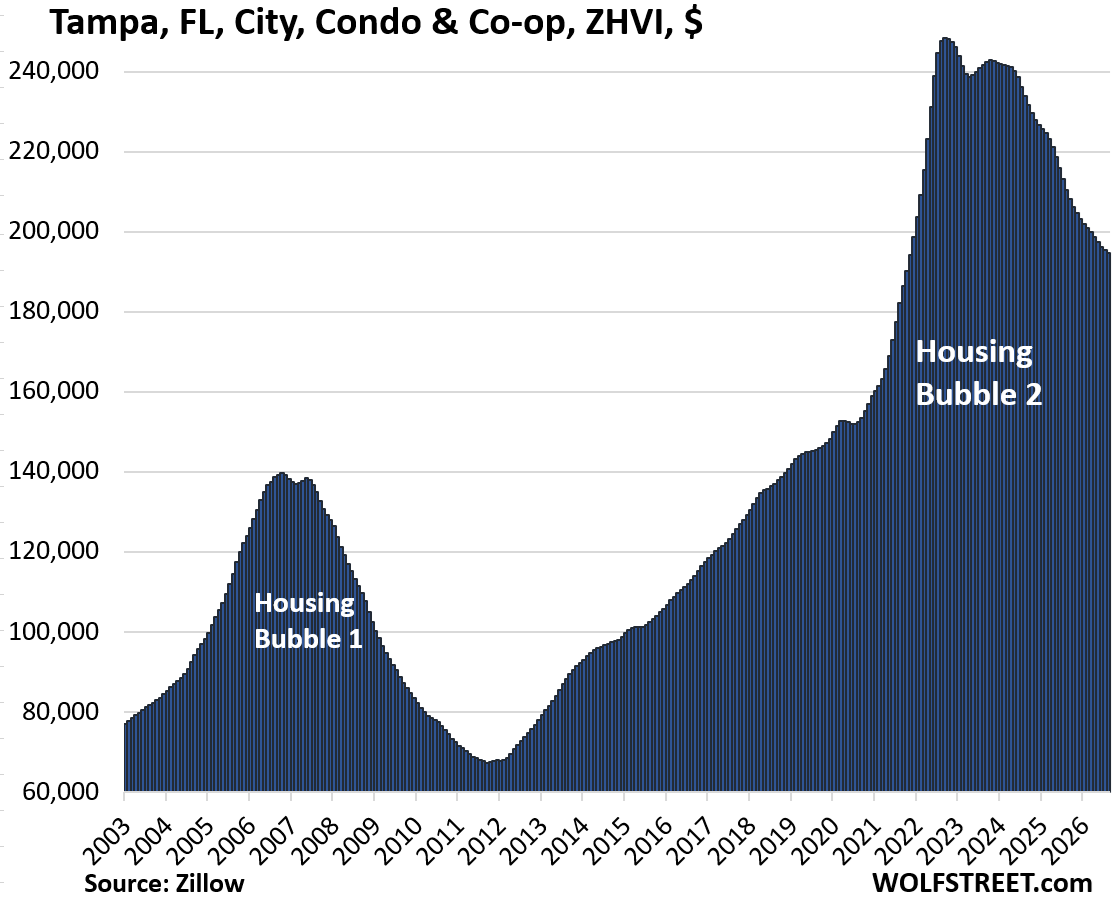
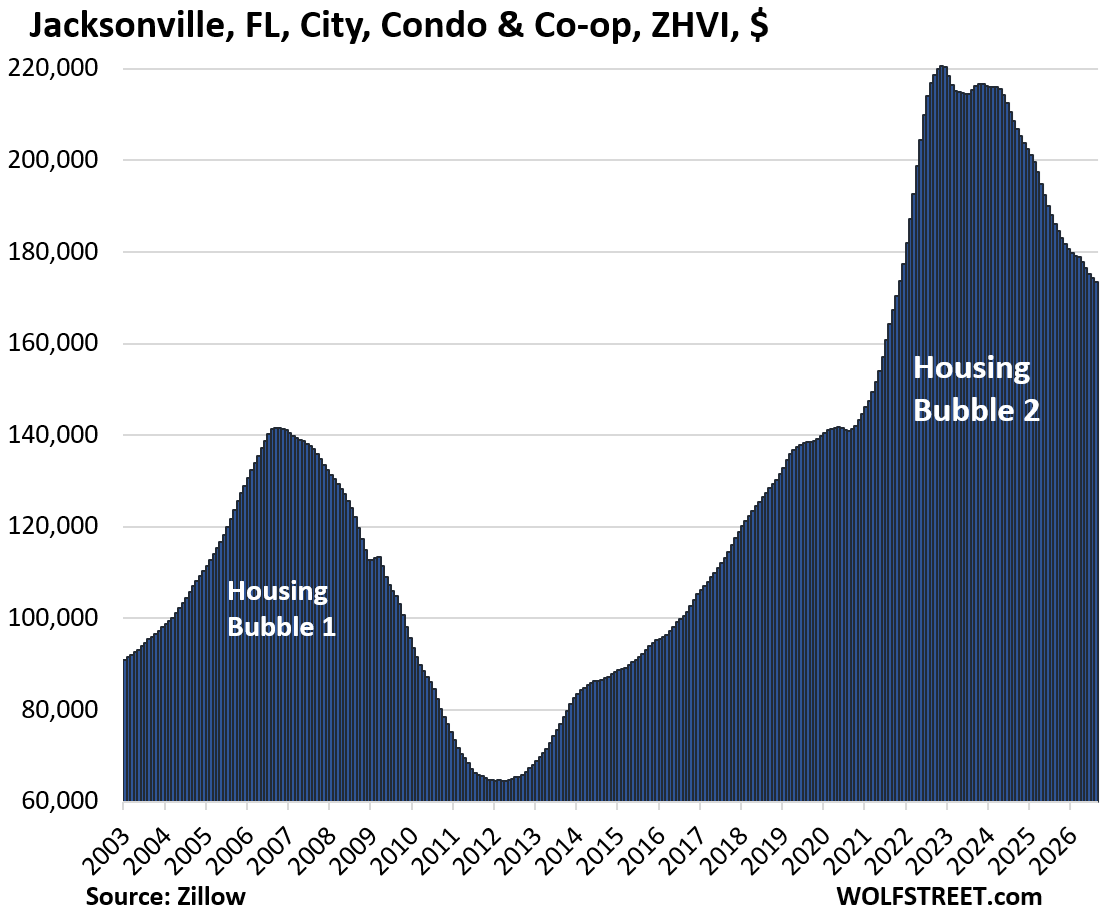
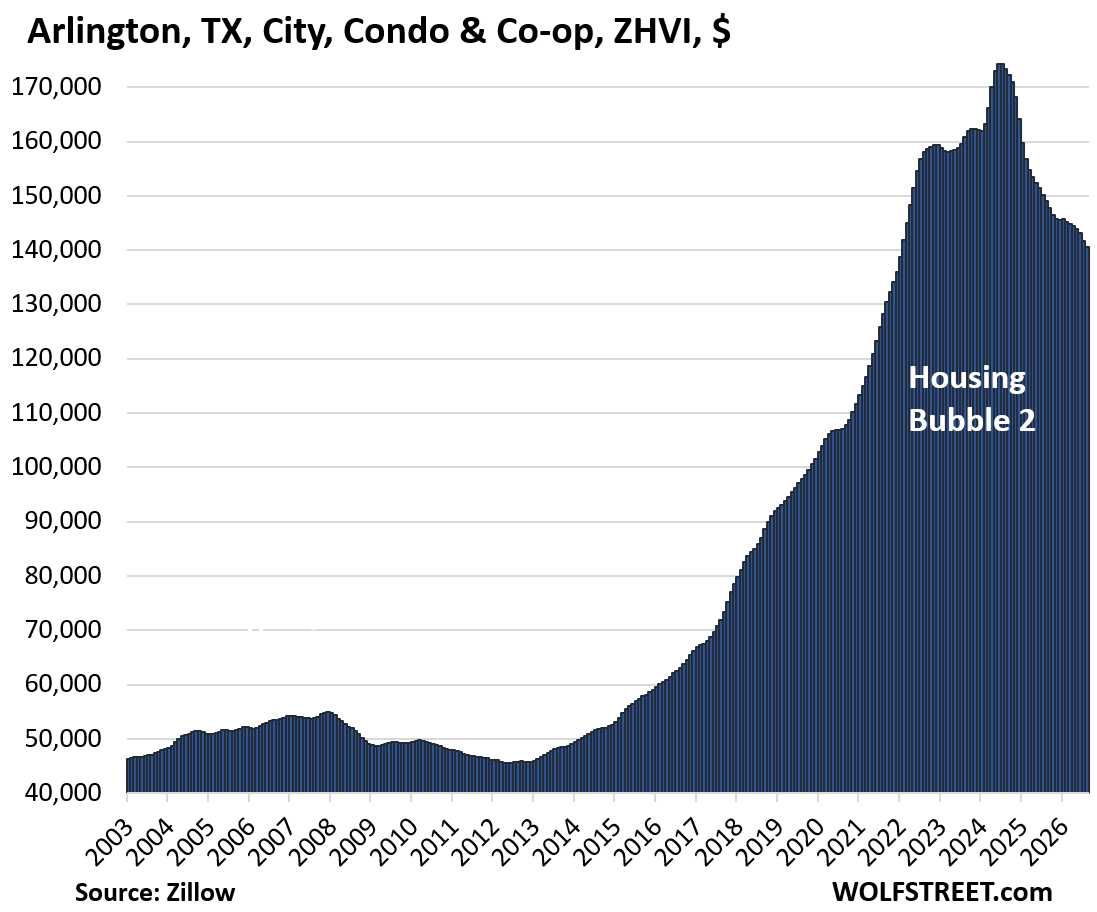
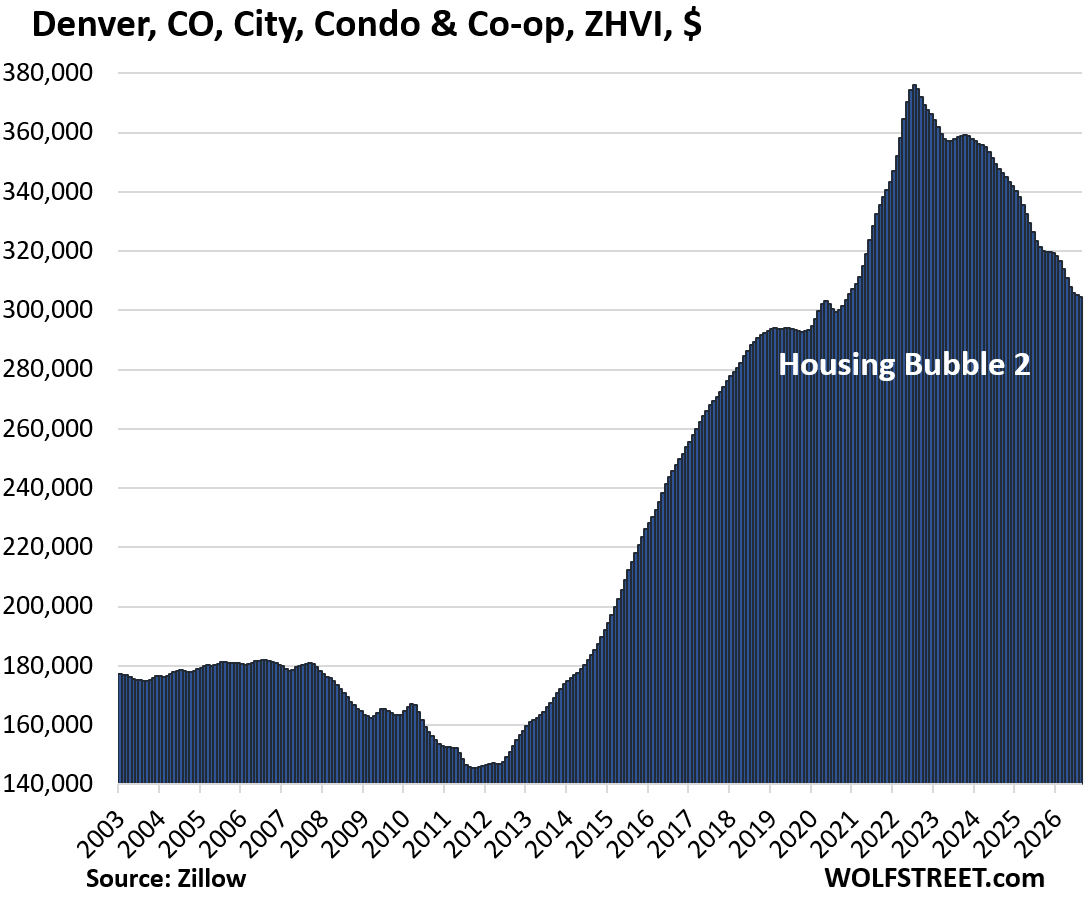
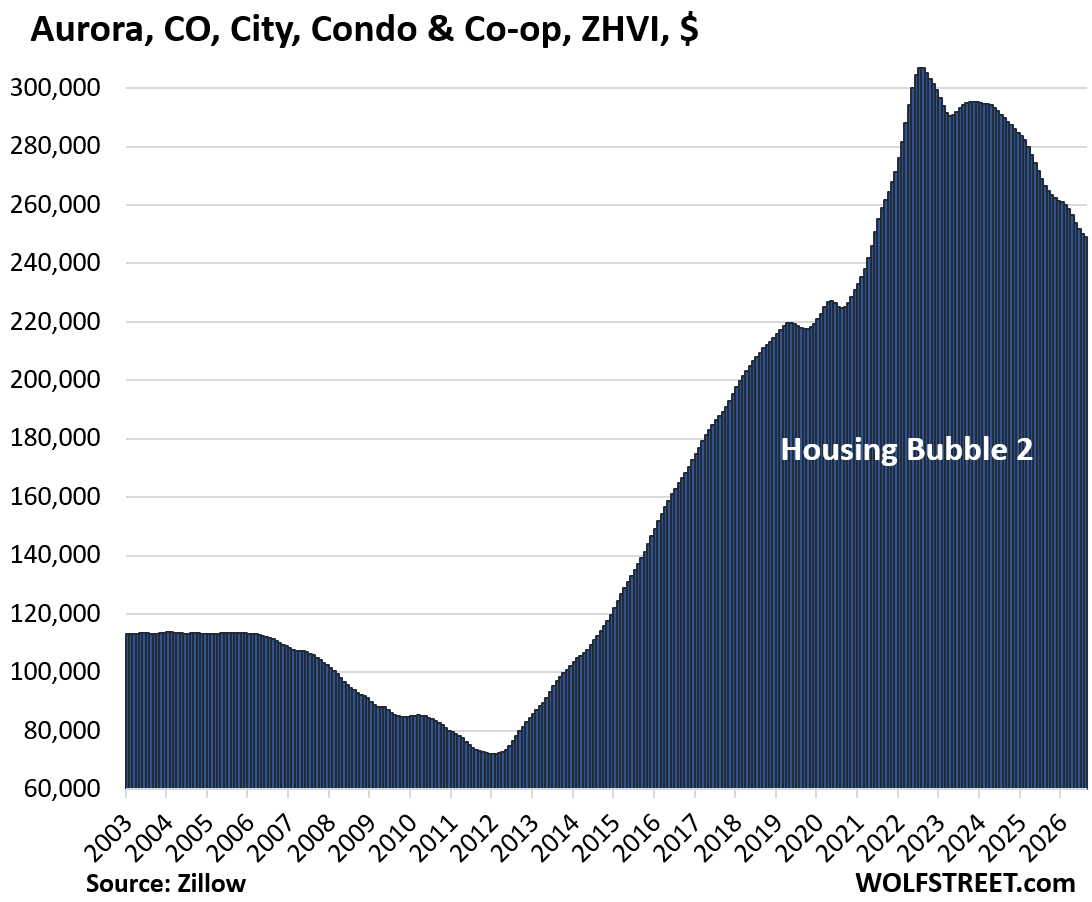
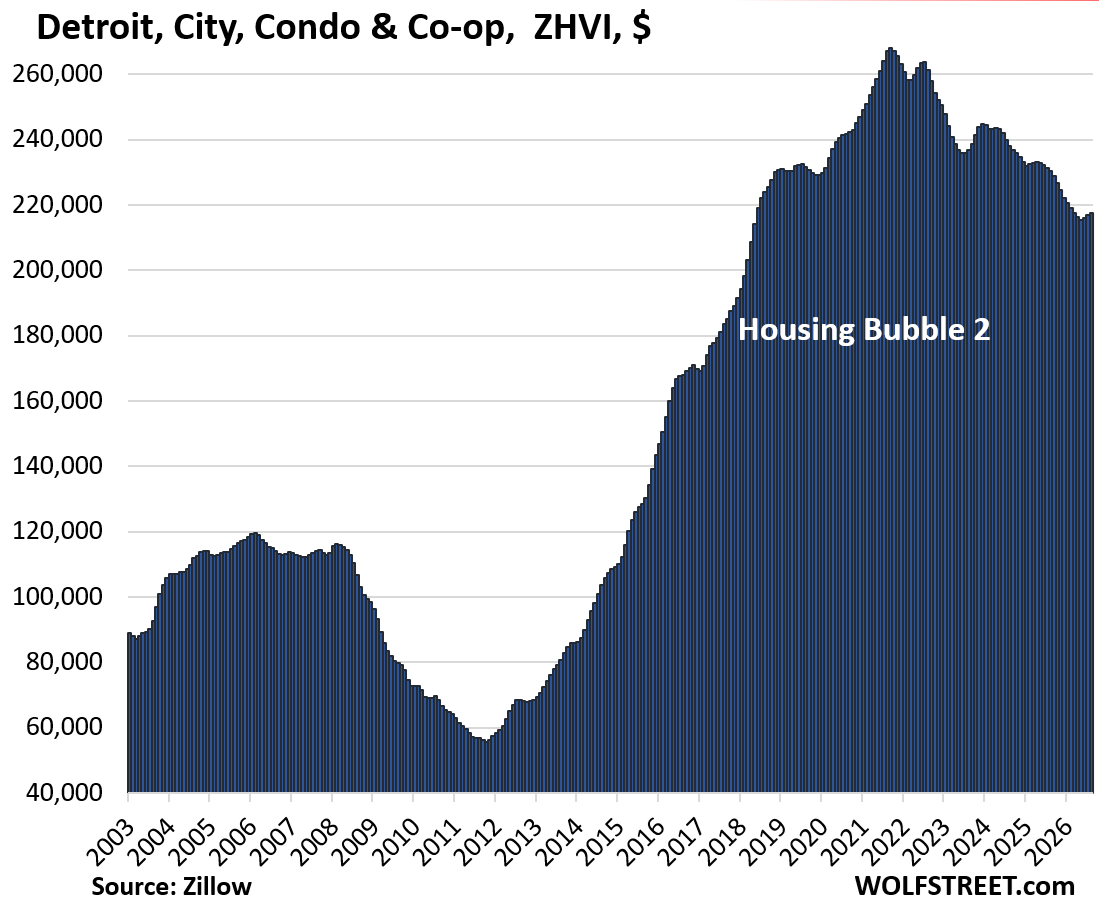
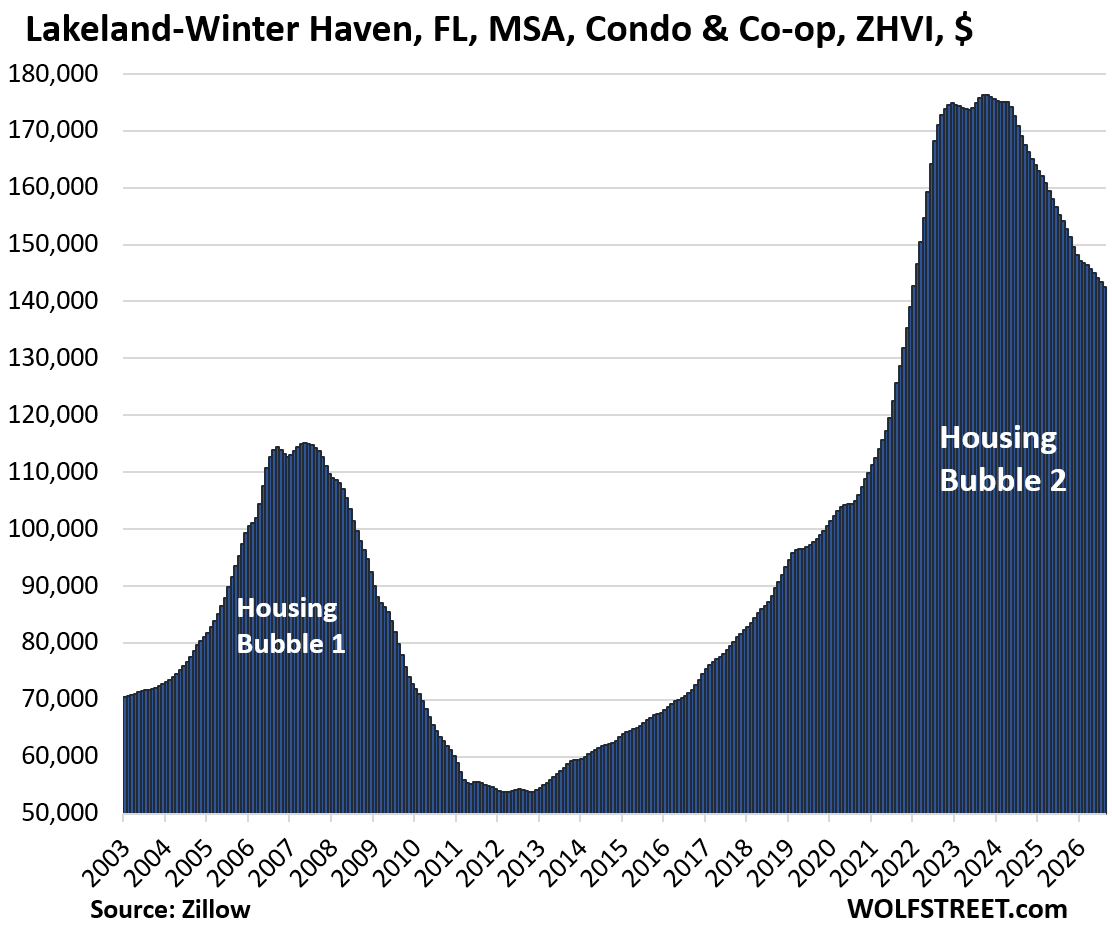
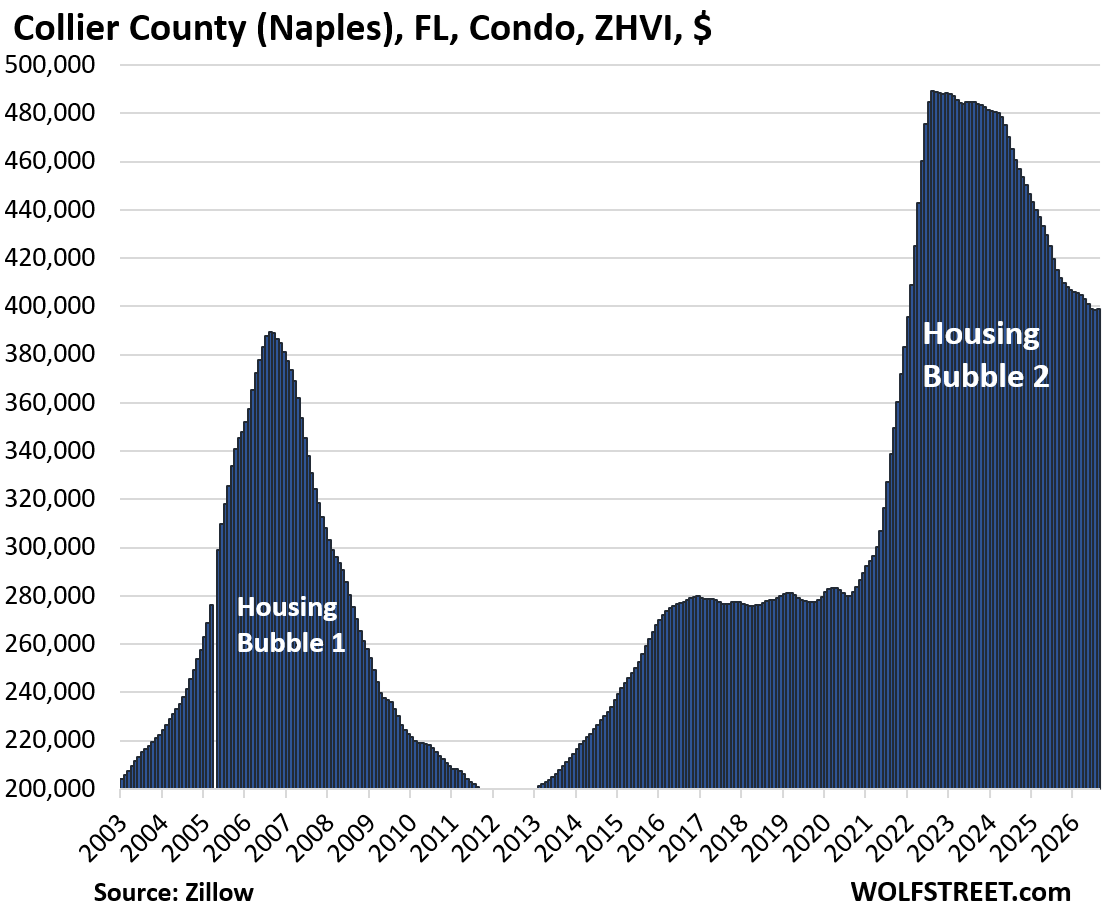
The residential real estate landscape is undergoing a significant transformation as the speculative fervor that defined the post-pandemic housing market begins to reverse. While single-family homes have demonstrated relative price resilience in various regions, the condominium market is experiencing a distinct and often more volatile correction. Data derived from the Zillow Home Value Index (ZHVI) indicates that in 34 major markets, mid-tier condo prices have retreated between 15% and 34% from their peak valuations, with the majority of these peaks occurring in the summer of 2022.
This deflationary trend is not limited to a single geographic corridor. It spans from the coastal hubs of California and the Pacific Northwest to the high-growth metropolitan areas of Florida and the Sun Belt. The correction serves as a testament to the cooling effect of higher interest rates, increased inventory levels, and a shift in investor sentiment regarding the profitability of non-primary residential assets.
The Anatomy of the Condo Correction
The surge in condo prices between 2020 and 2022 was characterized by aggressive buying, fueled by historically low mortgage rates and an influx of capital seeking shelter in tangible assets. In many of the cities now seeing the sharpest declines, prices had climbed by 50% to 70% in a mere two-year window. When measured against the decade leading up to the 2022 peak, some markets saw cumulative gains ranging from 180% to 350%.
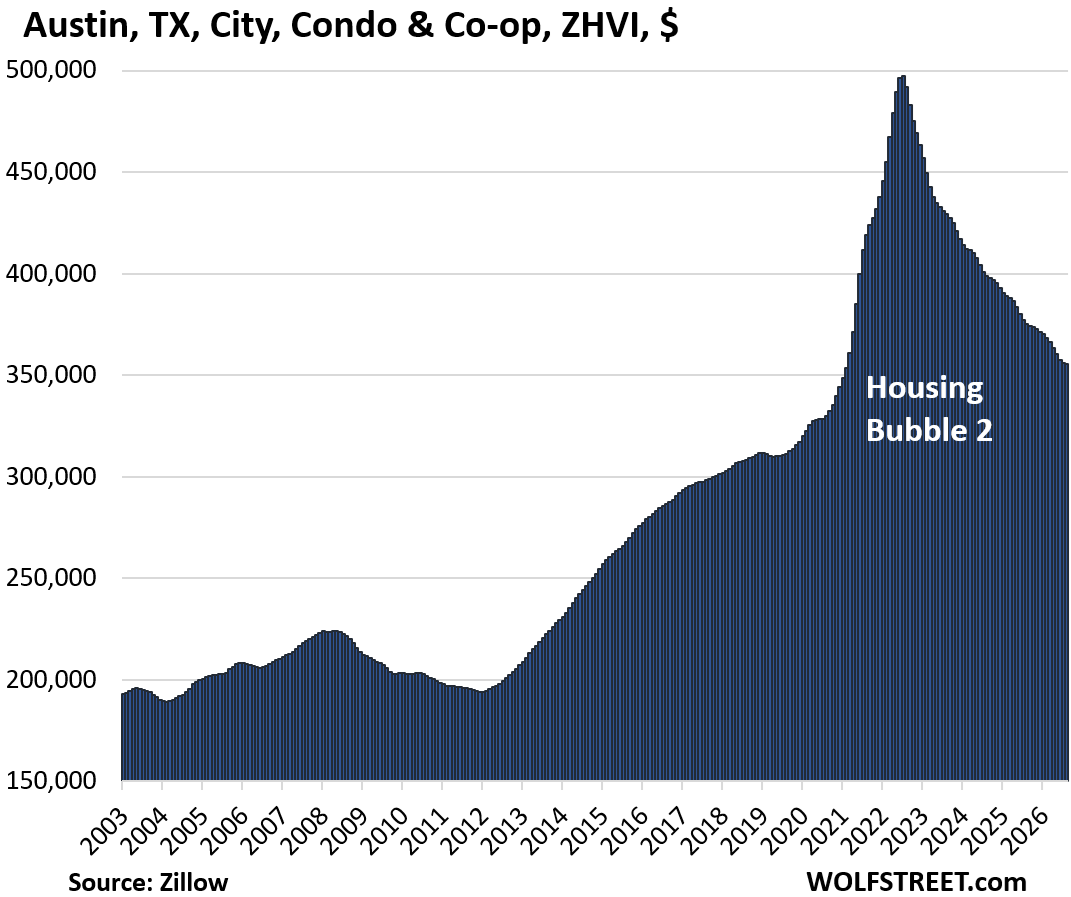
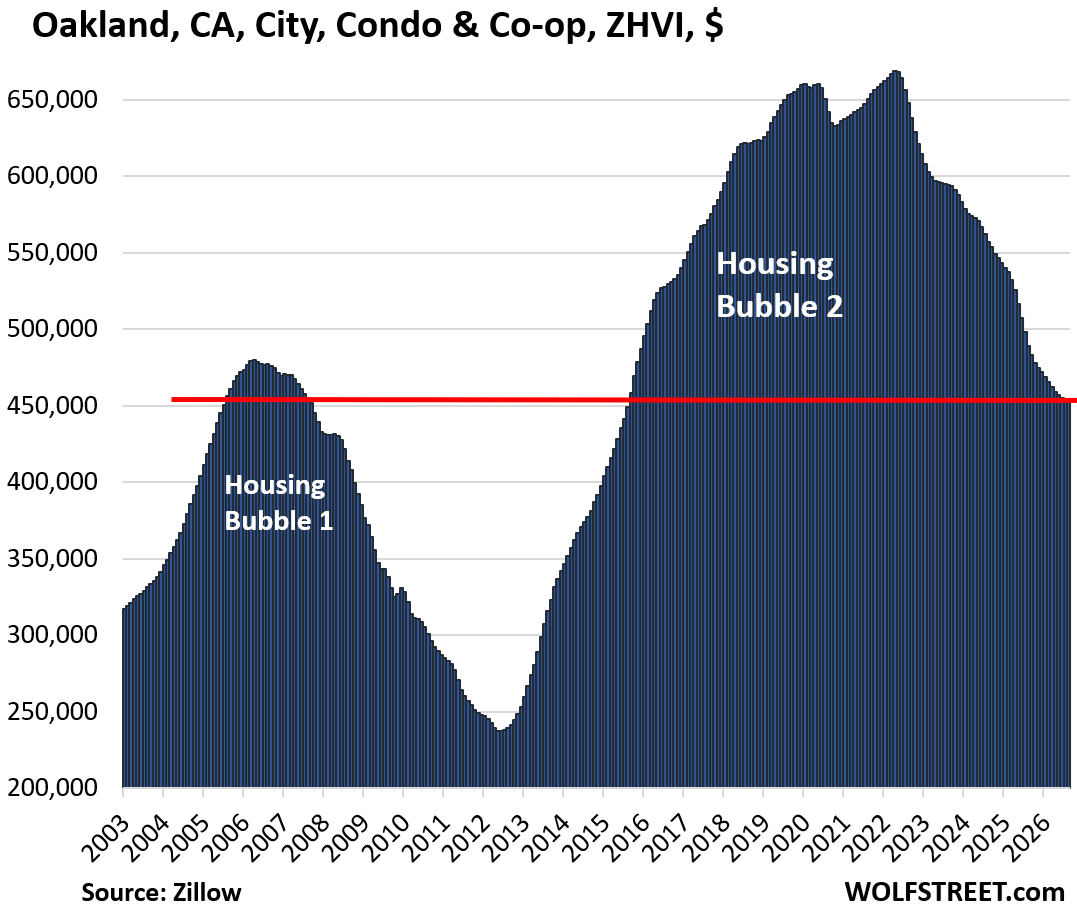
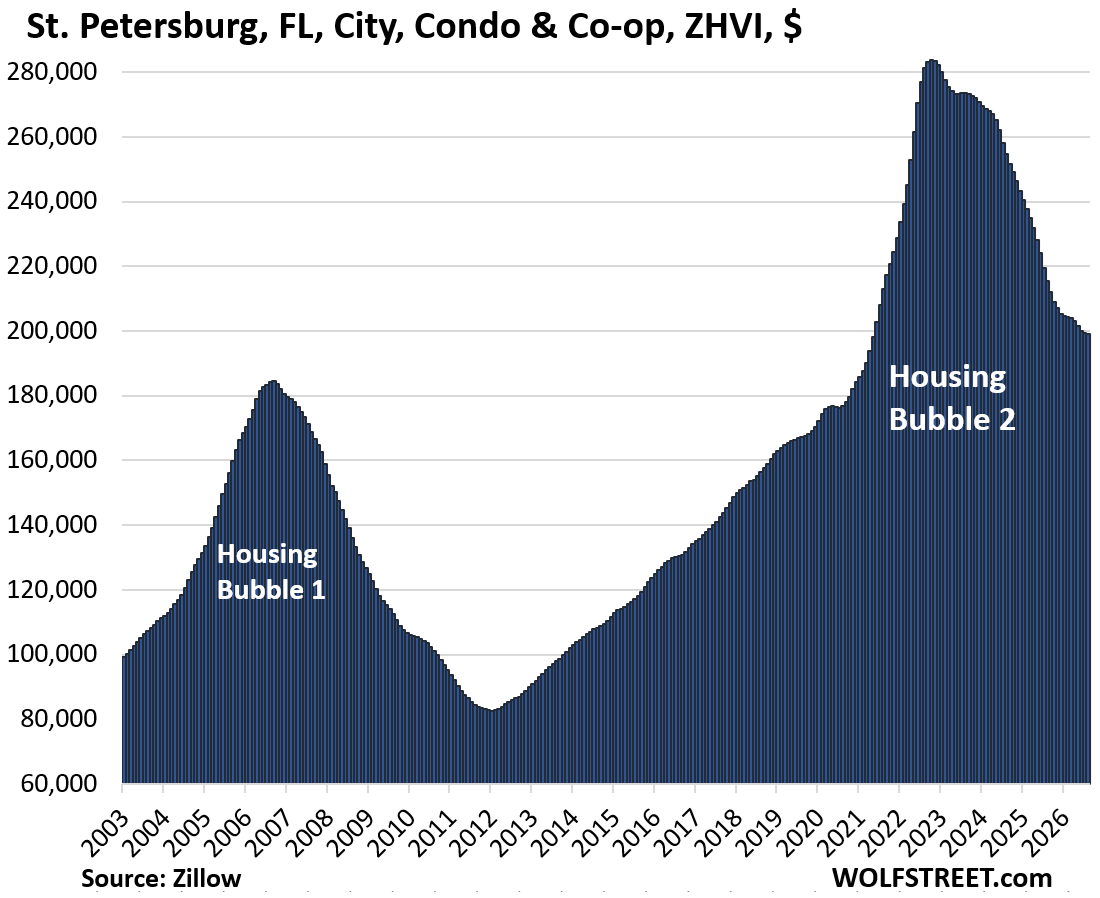
The current correction is fundamentally a recalibration of these unsustainable valuations. In nine specific markets, the downturn has been particularly pronounced, with price drops exceeding 21%. Cape Coral, Florida, leads the cohort with a 34% decline from its 2022 peak, followed closely by Oakland, California, at 32%, and St. Petersburg, Florida, at 30%. The inclusion of cities like Houston, Texas, and Tempe, Arizona, in recent months suggests that the downward pressure on pricing remains persistent rather than isolated.

Chronology of the Bubble and Burst
To understand the current state of the market, one must look back at the rapid acceleration of the 2020–2022 period. The pandemic-era migration patterns, which favored suburban density and vacation destinations, created a hyper-competitive environment for condos. Investors, ranging from individuals looking for short-term rental income to institutional entities, played a significant role in this expansion.
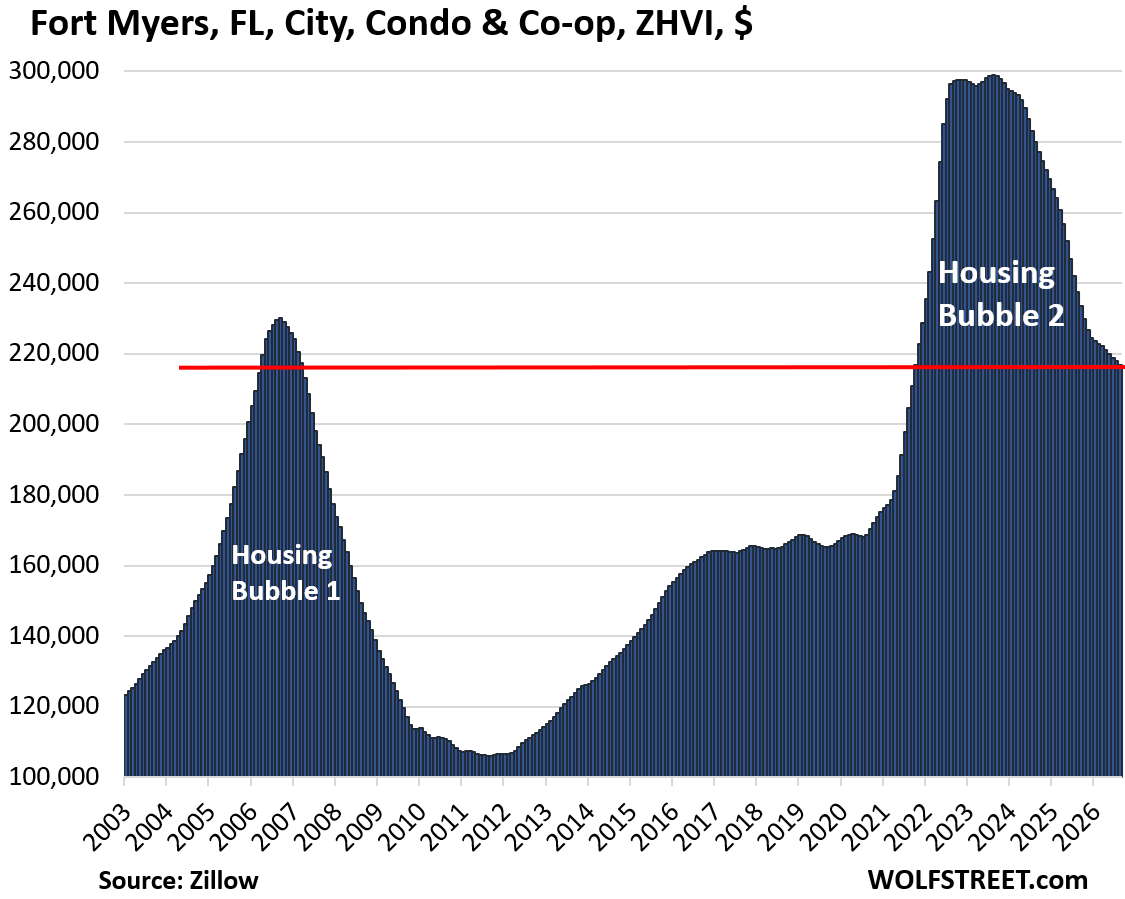
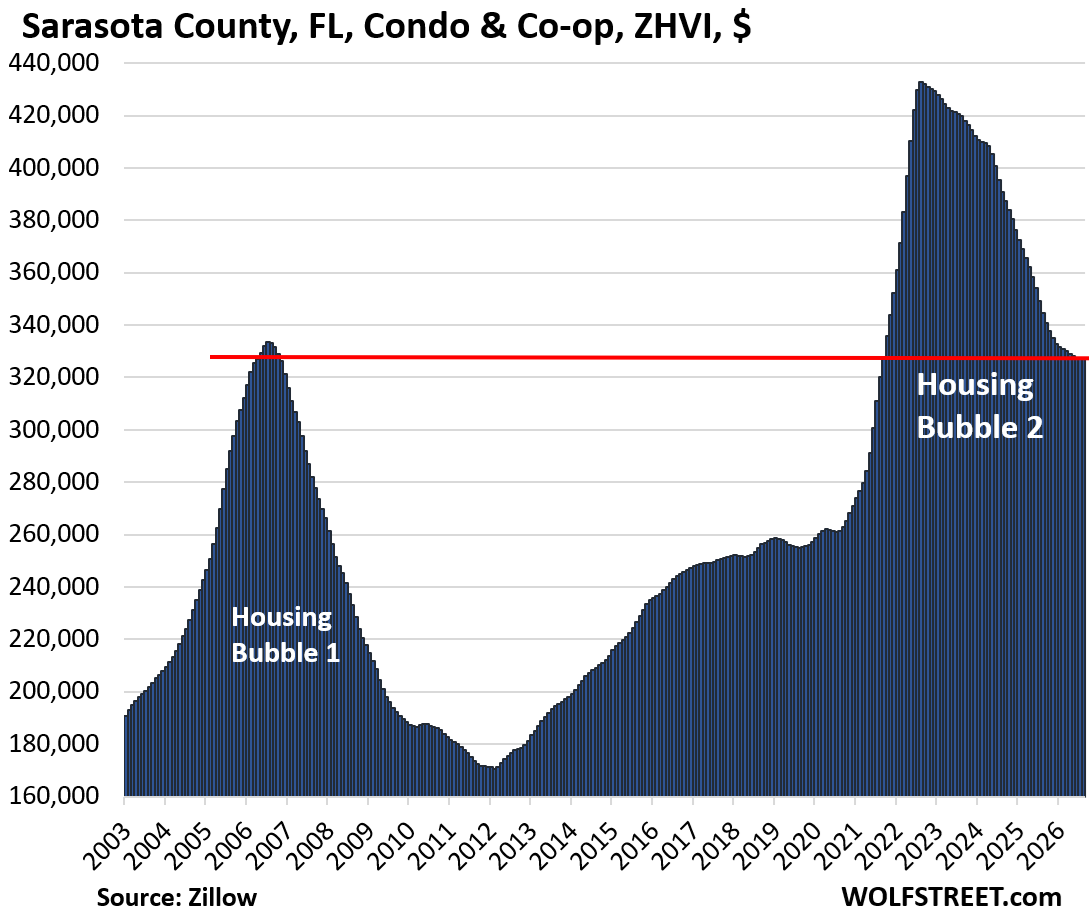
By mid-2022, the Federal Reserve’s pivot toward a more hawkish monetary policy—marked by successive interest rate hikes—began to tighten financial conditions. The rising cost of borrowing, combined with a saturation of inventory in high-density areas, acted as a catalyst for the cooling phase. By the latter half of 2023 and into 2024, the "peak" of the market began to shift from a distant memory to a benchmark for depreciation. In six of the tracked markets, the correction has been so severe that current valuations have dipped below the levels recorded during the height of the 2006 housing bubble, effectively erasing nearly two decades of nominal price appreciation.
Regional Trends and Market Distribution
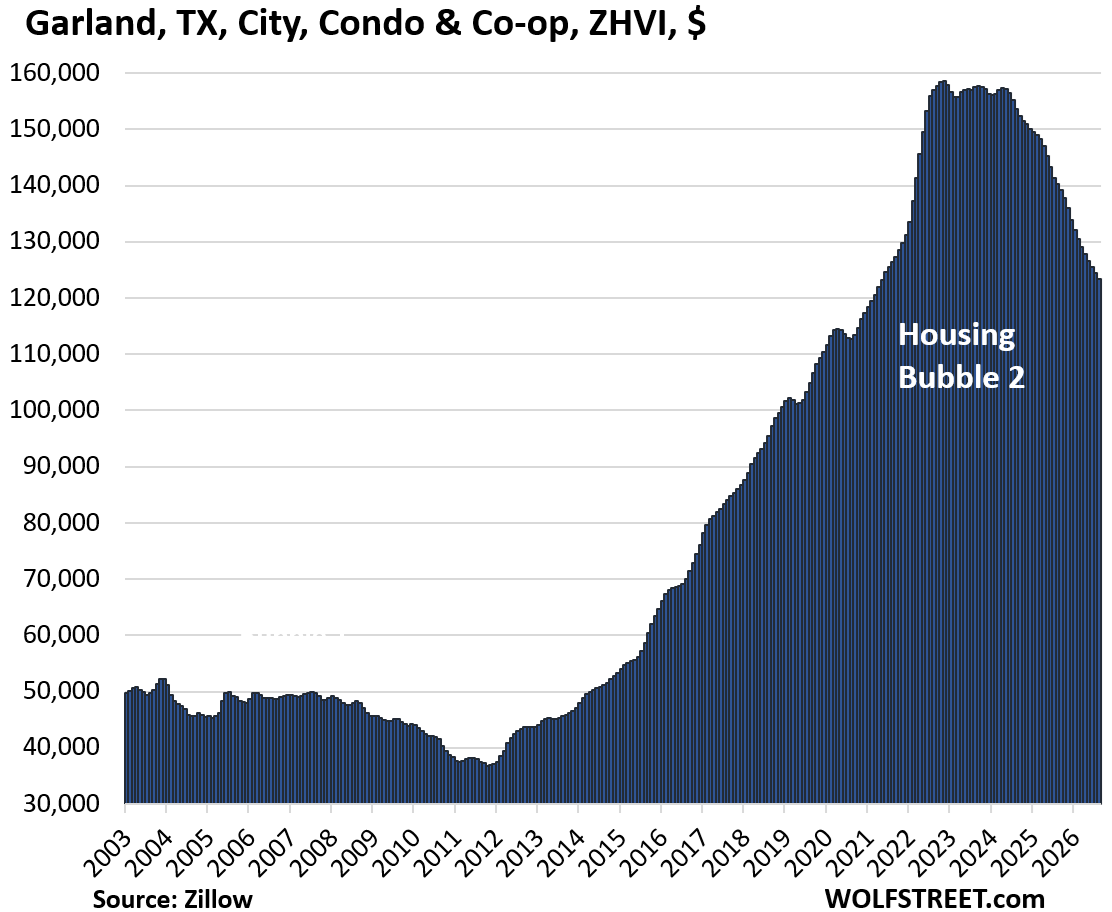
The impact of this correction varies significantly depending on the market structure. In cities like Manhattan, where the condo and co-op market is a dominant feature of the housing landscape, the 17% decline reflects a broader adjustment in high-value urban real estate. Conversely, in markets like Dallas, Irving, and San Antonio, the declines are currently tracking in the 8% to 14% range, placing them on the precipice of more significant deterioration should local economic conditions fail to stabilize.
The Florida market provides a unique case study in speculative volatility. With major cities like Tampa, Jacksonville, and the Naples/Collier County area showing double-digit percentage declines, the state reflects the consequences of a market that was heavily influenced by both domestic and foreign investment. As these investors exit, either due to concerns over future price growth or the rising costs of maintenance and insurance, the supply of available condos has increased, putting downward pressure on pricing.
Methodological Context and Data Integrity
The data utilized for this analysis reflects seasonally adjusted three-month rolling averages for mid-tier condos and co-ops. By using the Zillow Home Value Index, the assessment captures a wide breadth of transactional data, including public tax records, Multiple Listing Service (MLS) inputs, and proprietary data from brokerages and real estate associations. This methodology is particularly robust for capturing the "mid-tier" segment, which acts as a bellwether for the broader market, as it excludes the extreme volatility often found in the ultra-luxury or distressed low-end tiers.
Broader Economic Implications
The deflation of these condo bubbles carries significant implications for the wider economy. First, for homeowners, the reduction in equity impacts household wealth and the ability to leverage real estate for further borrowing. While this may not trigger a systemic financial crisis similar to 2008—due to more stringent lending standards introduced in the intervening years—it does represent a significant wealth effect contraction for property owners in affected regions.
Second, the rental market is feeling the secondary effects. Many of these condos were purchased as investment properties. As the resale value of these units declines, landlords are increasingly looking to maintain cash flow through rental income. However, with supply increasing as investors attempt to offload properties, rental prices in many of these urban centers are facing downward pressure, providing some relief to tenants but complicating the exit strategy for speculative owners.
Finally, the municipal impact cannot be ignored. Property tax revenues, which are essential for local government budgets, are tied to the assessed value of these units. A sustained decline in valuation will likely force local authorities to reassess their revenue projections. In municipalities where condo development was a primary driver of tax growth, this could lead to budgetary constraints or the need for tax rate adjustments to maintain public services.
Official Responses and Future Outlook
While no formal government agency has declared these trends a "crisis," the Federal Reserve’s ongoing monitoring of the housing sector suggests that the cooling of the real estate market is consistent with broader goals to moderate inflation. The housing sector is often the most sensitive to monetary policy, and the current state of the condo market serves as a primary indicator of how these policy shifts manifest in the real economy.
Industry analysts suggest that the trajectory of these markets will largely depend on the stability of mortgage rates and the ability of local economies to absorb the current inventory. The "re-explosion" of prices in cities like San Francisco, which has recently seen a stabilization, indicates that certain markets may find a floor sooner than others, particularly in regions where the underlying demand for housing remains supported by strong labor market fundamentals, such as the AI-driven tech sector.
However, for many of the cities listed—particularly those in Arizona, Texas, and Florida—the path forward remains uncertain. With inventory at decade-plus highs and pending home sales struggling to find momentum, the immediate outlook is one of cautious adjustment. The era of unchecked appreciation has concluded, and for the foreseeable future, the market will likely be defined by a search for equilibrium, where the fundamental utility of a property outweighs the speculative interest that defined the previous half-decade.
As the data continues to update, the focus for investors and homeowners alike will remain on the interplay between interest rate policy and local housing supply. The 34 charts tracking these markets serve as a stark reminder that even the most aggressive bull markets are subject to the fundamental laws of supply and demand, and that the "bubble" phenomenon is a historical cycle that, while often painful, remains a recurring feature of the American real estate landscape.