Moonshot AI Debuts Kimi K3 Model with 2.8 Trillion Parameters as Open Source Innovation Challenges Industry Profitability and Security

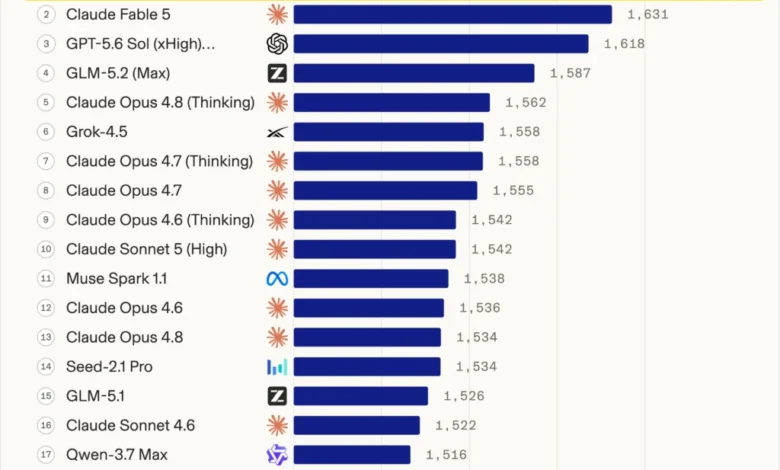
The global artificial intelligence landscape shifted significantly this week as Moonshot AI, a prominent Chinese technology firm, announced the release of its latest large language model, Kimi K3. Boasting an unprecedented 2.8 trillion parameters, Kimi K3 has been positioned as the largest open-source AI model ever developed. The release represents more than a technical milestone; it serves as a direct challenge to the market dominance of proprietary systems such as OpenAI’s GPT series and Anthropic’s Claude. According to internal benchmarks provided by Moonshot AI, Kimi K3 is designed to compete directly with high-tier models like Claude 4.8 Opus and GPT-5.5, trailing these industry leaders by only marginal percentages in complex reasoning and linguistic tasks.

The emergence of Kimi K3 highlights an intensifying debate within the technology sector regarding the future of AI economics. By releasing the model as "open source"—meaning its underlying weights, architecture, and training protocols are accessible to the public—Moonshot AI is effectively lowering the barrier to entry for enterprises that previously relied on expensive, subscription-based proprietary APIs. This move has sparked concerns among analysts regarding the long-term "pricing power" of Western AI giants, as the availability of high-performing, free-to-use alternatives threatens to commoditize the very intelligence that companies like OpenAI have spent billions to develop.
The Rise of Open-Source Architecture and the Erosion of Moats
In the context of artificial intelligence, "open source" typically refers to open-weight models. Unlike proprietary or "closed" models such as ChatGPT, which are accessed through a controlled interface with the underlying code kept strictly private, open-weight models allow users to download the model directly. This enables developers to run the software on their own hardware, modify its behavior, and integrate it into private ecosystems without paying recurring licensing fees to the original creator.
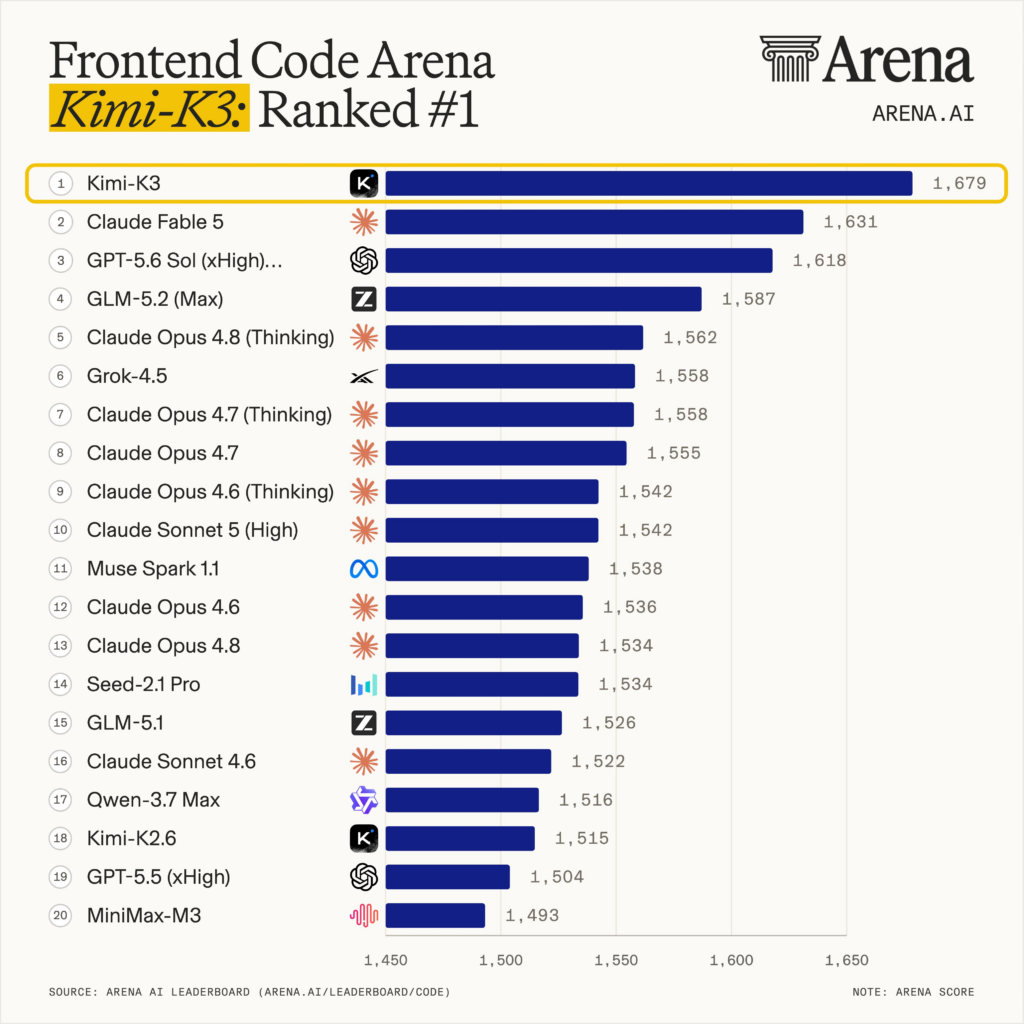
Research from SemiAnalysis indicates that the closing gap between open-source and proprietary capabilities could fundamentally erode the "moat" or competitive advantage currently enjoyed by leading AI labs. If a free, open-source model can perform at 95% of the efficiency of a paid model, many cost-conscious enterprises may opt for the former. This shift suggests that the primary value in AI may soon move away from the model itself and toward the infrastructure, data pipelines, and specialized hardware required to run these massive systems.
Chronology of Development and Competitive Benchmarking
The development of Kimi K3 follows a rapid series of escalations in the AI arms race. Moonshot AI, founded by industry veterans with experience at Google and Meta, has focused heavily on long-context processing and scaling laws.
- Late 2023: Moonshot AI gains international attention for its initial Kimi models, which demonstrated superior performance in processing massive document sets.
- Early 2024: The company secures significant venture capital, pushing its valuation into the multi-billion dollar range, specifically targeting the creation of a "super-model" that could rival Western equivalents.
- Mid-2024: Reports emerge of supply chain vulnerabilities within the developer tools used by Chinese AI firms, including those linked to state-sponsored actors.
- Present: The release of Kimi K3 marks the first time an open-source model has officially crossed the 2.5 trillion parameter threshold, placing it in a technical category previously reserved for the world’s most expensive proprietary systems.
Moonshot AI claims that Kimi K3’s performance on the MMLU (Massive Multitask Language Understanding) and GSM8K (grade school math) benchmarks puts it within striking distance of the current global leaders. While proprietary models still hold a slight edge in creative nuance and safety alignment, the sheer scale of Kimi K3 makes it a formidable tool for industrial and scientific applications.
Security Concerns and the Vulnerability of Open-Weight Models
While the technical achievements of Moonshot AI are noteworthy, the release has also brought security risks to the forefront of the conversation. OpenAI recently disclosed that a supply chain attack, attributed to North Korean hackers, successfully compromised a specific developer tool utilized by Moonshot AI. This incident underscores a critical weakness in the open-source movement: the difficulty of verifying the integrity of massive model files.
The Atlantic Council has issued warnings regarding the risks associated with self-hosted open-weight models. Because these files are so large and complex, they cannot be fully inspected or "vetted" for malicious code or hidden backdoors before implementation. For an enterprise, downloading a 2.8 trillion-parameter file and running it on internal servers could inadvertently expose sensitive data to external actors if the model’s training data or architecture was compromised at the source. This "black box" nature of open-weight files creates a paradox where the freedom to use the model comes with a significant, and often unquantifiable, security burden.
The Strategic Shift Toward Hardware and Custom Silicon
In response to the commoditization of AI models, industry leaders like OpenAI are pivoting toward a "full-stack" control strategy. This explains the importance of OpenAI’s recently announced $10 billion partnership with Broadcom to develop custom AI chips. By controlling the model, the silicon, and the data pipeline, an AI firm can offer a level of security and efficiency that open-source models cannot match.
For chipmakers and data center operators, the "model war" between open and closed systems is a win-win scenario. Whether an enterprise uses Kimi K3 or GPT-5, the demand for compute power remains insatiable. Training and running a 2.8 trillion-parameter model requires an immense number of GPUs and high-bandwidth memory. Consequently, companies like NVIDIA, Broadcom, and TSMC remain the primary beneficiaries of this expansion, regardless of which software architecture eventually dominates the market.
Financial Market Analysis: The AI Trade and Credit Stress
The rapid evolution of AI technology is occurring against a backdrop of increasing volatility in the financial markets. While the "AI trade" has largely been an equity-driven phenomenon, recent data suggests that the real risks may be migrating toward the bond market.
Market analysts, including Brian Garrett of Goldman Sachs’ derivatives desk, have observed that credit spreads for "hyperscalers"—the massive tech companies investing heavily in AI infrastructure—have begun to widen. This widening occurs when the market begins to doubt the immediate return on the massive capital expenditure (capex) these companies are undertaking. Hyperscaler capex is currently the single largest driver of the global credit impulse, meaning any slowdown in AI adoption or a decline in pricing power due to open-source competition could have systemic implications.
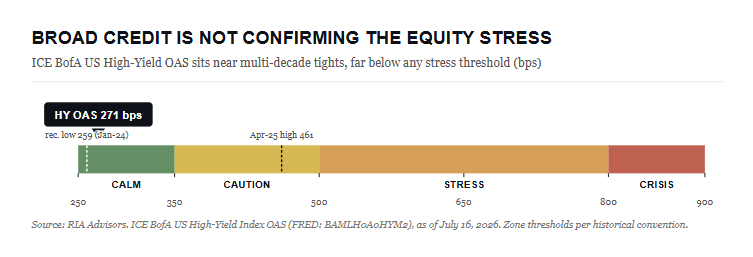
Currently, the ICE BofA high-yield Option-Adjusted Spread (OAS) remains near 270 basis points, which is historically tight. However, analysts warn that if this spread breaks above the 3.5% threshold, it would signal late-cycle stress. The divergence between idiosyncratic stress in tech-heavy mega-cap issuers and the broader credit market is a key metric for investors to watch. As legendary investor Howard Marks has often noted, the credit cycle typically turns before the equity cycle, acting as a precursor to broader market drawdowns.

Momentum Shifts and Sector Rotation
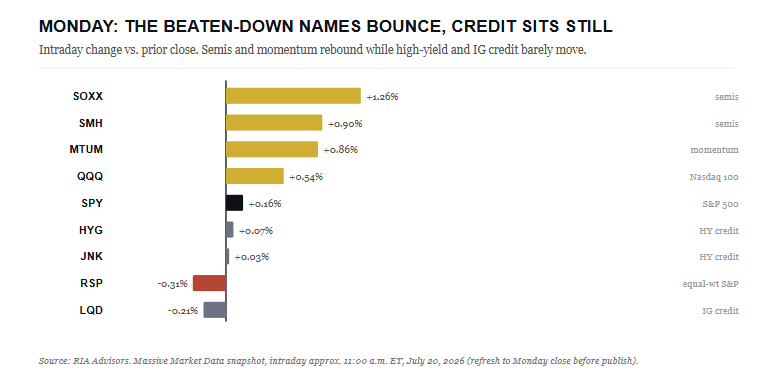
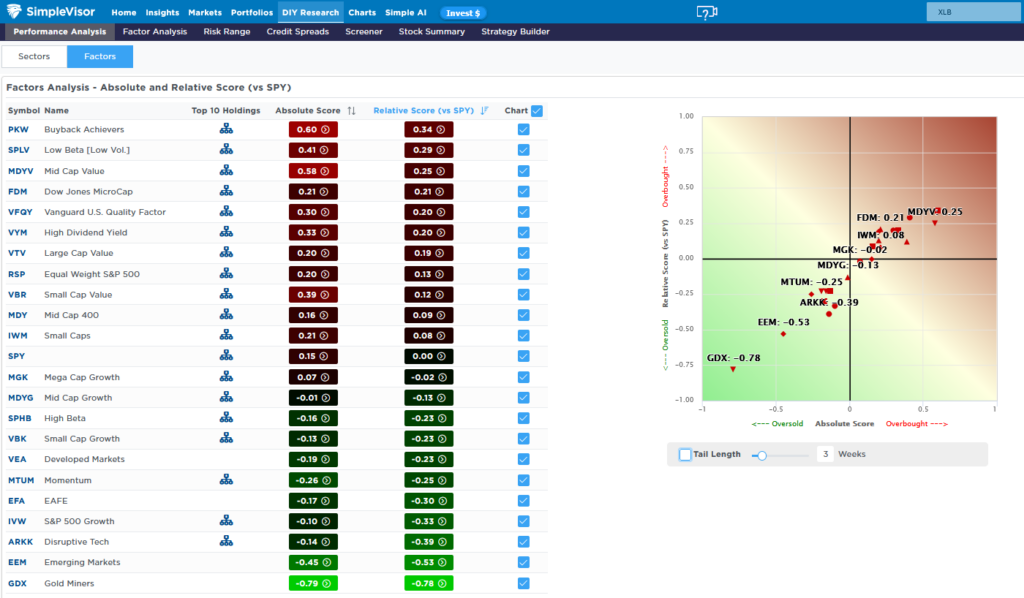
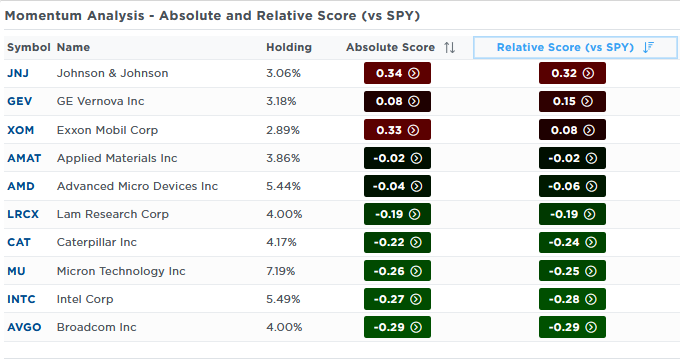
The impact of AI developments is also visible in the performance of momentum-based Exchange Traded Funds (ETFs). The MTUM ETF, a proxy for high-momentum stocks, has recently underperformed the S&P 500 by approximately 7% over a 20-day period. This underperformance is largely driven by a rout in semiconductor companies such as Micron, AMD, and Broadcom, which had previously seen spectacular gains.
Despite these pullbacks, technical indicators show that many of these chip stocks are not yet in "deeply oversold" territory, suggesting there may be further room for correction as the market re-evaluates the pace of AI monetization. Interestingly, market breadth remains relatively healthy, as investors rotate out of high-flying tech names and into prior underperformers. This rotation suggests that while the "AI hype" may be cooling, the broader economy is not necessarily entering a crisis phase.
Behavioral Risks: The Retail Trader’s Dilemma
The democratization of AI tools through open-source models like Kimi K3 mirrors the democratization of financial markets through zero-commission trading platforms. However, just as open-source AI carries hidden security risks, the ease of access to financial markets has historically led to poor outcomes for retail investors.
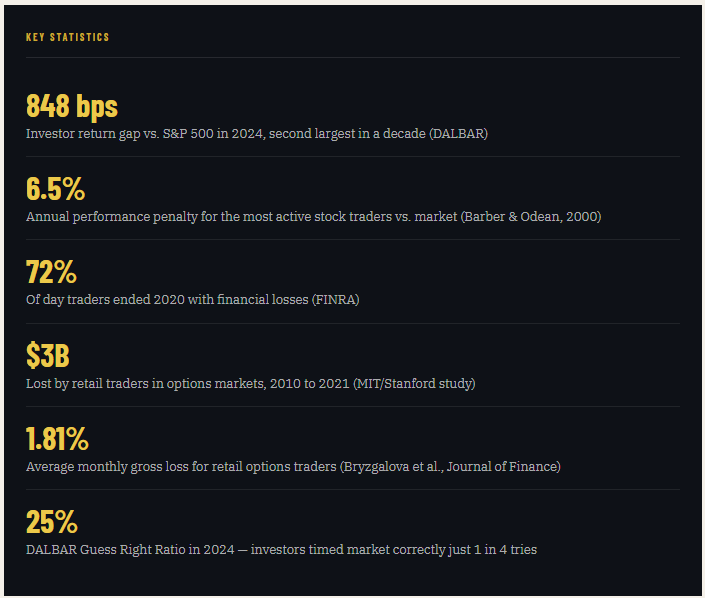
Decades of global market data confirm a sobering reality: the more frequently retail traders engage with the market, the worse their overall performance tends to be. The psychological allure of "10-bagger" tips on social media and the frictionless nature of mobile trading apps often lead to emotional decision-making. As the AI sector becomes more complex and the "moats" around tech giants begin to shift, retail investors are cautioned to focus on long-term quality and risk management rather than chasing the latest technical breakthrough or momentum swing.
Implications for the Future of Global AI Governance
The release of Kimi K3 by a Chinese entity also carries geopolitical weight. It demonstrates that despite export restrictions on high-end semiconductors, Chinese firms are finding ways to scale their models to world-class levels. This parity in model size suggests that the global AI landscape will remain bifurcated, with Western proprietary systems competing against a mix of Western and Eastern open-source alternatives.
For enterprises, the decision to adopt a model like Kimi K3 will involve a complex trade-off between cost, performance, and security. While the lack of licensing fees is attractive, the potential for supply chain attacks and the lack of a centralized support structure may drive many risk-averse organizations to remain within the "walled gardens" of proprietary providers.
In conclusion, the debut of Moonshot AI’s Kimi K3 serves as a catalyst for a new era of AI competition. It challenges the economic foundations of the industry, highlights critical security vulnerabilities in the open-source movement, and forces a re-evaluation of how value is captured in the technology stack. As the line between open and closed models continues to blur, the true winners will likely be those who control the physical infrastructure and those who can navigate the increasingly volatile intersection of technology and credit markets.