Silver Holds Firm as Geopolitical Tensions Flare, Suggesting Market Resilience Amidst Oil Price Volatility

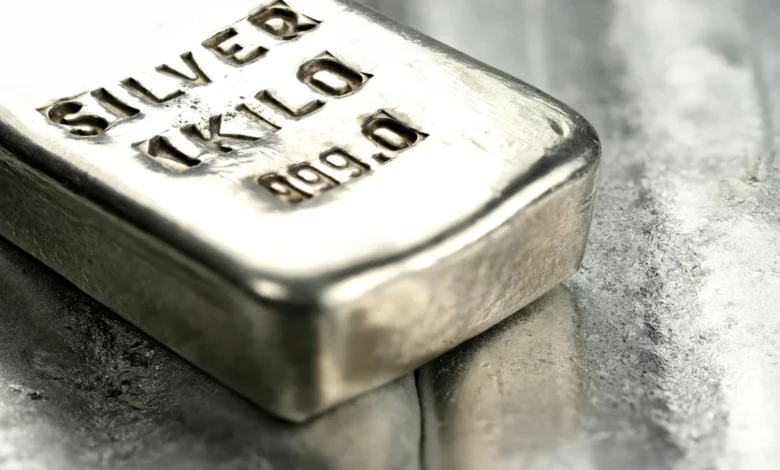
Silver briefly dipped below the crucial $55 per ounce mark on Friday, a level that has historically served as a significant psychological and technical support. However, the precious metal demonstrated remarkable resilience, swiftly regaining its footing as the new trading week commenced. This recovery occurred despite a substantial surge in Brent crude oil prices, which gapped above the $90 per barrel threshold, a direct consequence of escalating geopolitical tensions between the United States and Iran. The absence of sustained selling pressure in silver, particularly in the face of heightened crude oil prices and increased inflation expectations, is a noteworthy development that warrants closer examination.
Throughout the preceding week, the narrative surrounding higher oil prices had become inextricably linked with renewed concerns about inflationary pressures. This expectation had a tangible impact on broader financial markets, contributing to rising Treasury yields and a strengthening US Dollar, while simultaneously exerting downward pressure on precious metals. Yet, even after a further deterioration of the geopolitical landscape over the weekend, silver proved resistant to attracting fresh downside momentum. This suggests that a significant portion of the bearish sentiment and repricing of risk had already been incorporated into silver’s valuation prior to the latest developments.
The Market’s Interpretation of Escalating Tensions
The key to understanding why silver did not extend its decline lies in how financial markets interpreted the latest geopolitical events. Brent crude oil had already experienced a substantial rally in the previous week, marking its most significant weekly gain since April with a surge of over 17%. This impressive ascent indicated that investors had already substantially factored in the potential risks associated with prolonged disruptions to Middle Eastern oil supplies. Consequently, the headlines emerging over the weekend largely served to reinforce this established narrative rather than introduce an entirely novel shock to the market.
Furthermore, Brent crude itself encountered headwinds in its attempt to sustain its initial breakout above the $90 mark during Asian trading sessions. This struggle to maintain upward momentum helped to stabilize broader inflation expectations, a critical factor influencing precious metals. As oil prices subsequently retreated from their intraday highs and moved back below the $90 benchmark, silver experienced further recovery. This dynamic underscores a discernible fading of bearish conviction within the silver market, even as the overarching macroeconomic environment continues to present considerable challenges. The intricate interplay between oil prices, inflation expectations, and the US Dollar’s strength creates a complex backdrop for silver’s price movements.
The Role of Diplomacy in Mitigating Further Sell-offs
Despite the heightened geopolitical risks, several factors continue to encourage market participants to refrain from pricing in the most disruptive potential outcomes. Statements from Iranian officials have offered a glimmer of hope for continued diplomatic engagement. Esmail Baghaei, the spokesman for Iran’s Foreign Ministry, indicated that negotiations with the United States could potentially resume if they align with Iran’s national interests. He further elaborated that intermediaries have persisted in exchanging messages, even in the wake of recent US strikes and reported military casualties.
These pronouncements, if they translate into tangible de-escalation, keep the door open for diplomatic solutions. They lend support to the view that any potential blockade of the Strait of Hormuz, a critical chokepoint for global oil shipments, could ultimately prove to be a temporary measure rather than a permanent fixture. However, the path forward remains fraught with uncertainty. The success of diplomatic efforts is contingent on visible progress in negotiations over the coming days. Should these talks falter and Brent crude resume its upward trajectory, potentially approaching the $100 per barrel mark, financial markets would likely see a renewed build-up of inflation expectations. This, in turn, would likely lead to higher Treasury yields and a stronger US Dollar, once again exposing silver to significant selling pressure.
The Chronology of Recent Events and Market Reactions
The recent escalation in US-Iran tensions has unfolded against a backdrop of already volatile global markets. The period leading up to Friday’s brief dip in silver was characterized by a general uptick in risk aversion, driven by the anticipation of further geopolitical instability.
Early to Mid-Week: Reports began to surface of increased military posturing and heightened rhetoric between the US and Iran. This sentiment contributed to a steady rise in crude oil prices, which had already been on an upward trend due to existing supply concerns. Financial markets began to price in the potential for disruptions to Middle Eastern oil supplies, leading to a gradual increase in inflation expectations.
Late Week (Friday): Following specific escalatory actions, the market reaction intensified. Brent crude futures saw a significant surge, breaking through the $90 per barrel level. This price action triggered a renewed focus on inflation, causing Treasury yields to climb and the US Dollar to strengthen. Silver, typically sensitive to both inflation expectations and currency movements, experienced a brief but notable decline, trading below the key $55 per ounce level. This move suggested that the market was rapidly repricing the risk of higher inflation and a stronger dollar, both of which are generally bearish for precious metals.
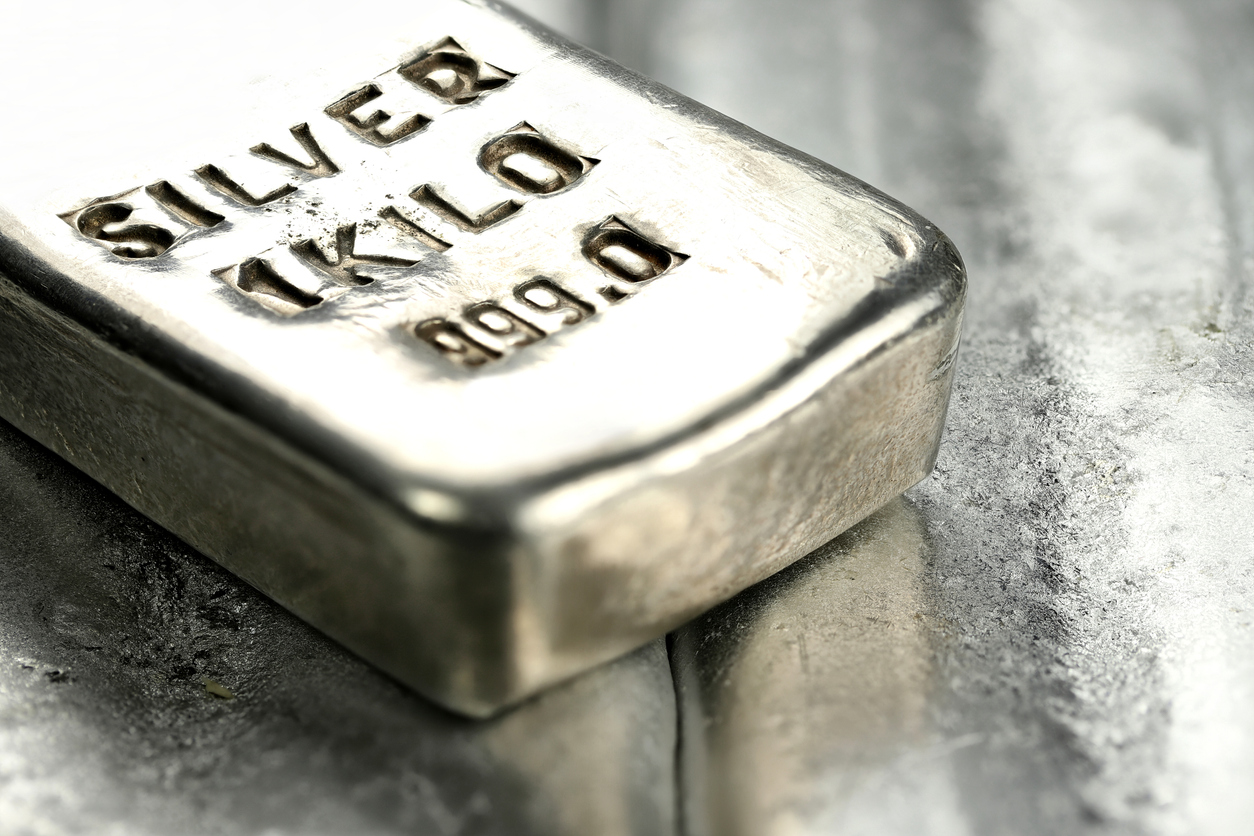
Weekend and Early New Week: Over the weekend, further developments in the US-Iran conflict emerged, including reports of casualties and continued diplomatic exchanges through intermediaries. Crucially, the market did not witness a fresh, overwhelming shock that would have necessitated a dramatic repricing. Instead, the narrative solidified around the potential for diplomatic resolution, albeit a highly uncertain one. As the new trading week opened, Brent crude’s inability to sustain its initial surge above $90 provided a stabilizing influence on broader inflation expectations. Silver then staged a recovery, demonstrating its ability to regain lost ground when the immediate inflationary fears recede.
Supporting Data and Economic Indicators
The price movements of silver, oil, and Treasury yields are closely watched indicators of broader economic sentiment and inflationary pressures.
- Oil Prices: The surge in Brent crude oil prices to over $90 per barrel represents a significant increase from its levels earlier in the year. For instance, if Brent was trading in the $70-$80 range at the beginning of the month, a move above $90 signifies a nearly 20-30% increase in a short period. Such a rapid ascent in energy costs has direct implications for transportation, manufacturing, and consumer spending, feeding into broader inflation forecasts.
- Treasury Yields: The benchmark 10-year US Treasury yield, which moves inversely to bond prices and is sensitive to inflation expectations, has likely seen an upward trend. If yields were hovering around 4.00% at the start of the week and then climbed to 4.20% or higher, this would reflect increased market demand for higher compensation for holding government debt, a common response to rising inflation concerns.
- US Dollar Index (DXY): A strengthening US Dollar typically makes dollar-denominated assets, like silver, more expensive for holders of other currencies, thus reducing demand. If the DXY moved from a level of, say, 104 to 105.5 or higher, this would indicate a strengthening dollar against a basket of major currencies, adding to the headwinds for silver.
- Inflation Data: While not explicitly mentioned in the source, recent inflation data releases (e.g., Consumer Price Index – CPI, Producer Price Index – PPI) from major economies would have provided context for the market’s reaction to oil price spikes. Any indication of inflation already being elevated would amplify the market’s sensitivity to new supply shocks.
Official Responses and Diplomatic Channels
The official responses from both the United States and Iran, though often delivered through carefully worded statements, carry significant weight in shaping market perceptions. The Iranian Foreign Ministry’s spokesman’s comments regarding continued negotiations, even through intermediaries, suggest a deliberate effort to avoid complete diplomatic breakdown. This implies that while tensions are high, direct communication channels, however indirect, remain open.
From the US perspective, the continuation of military actions alongside statements emphasizing a desire for de-escalation would typically signal a strategy of applying pressure while leaving room for diplomatic off-ramps. The absence of overtly aggressive threats or pronouncements that definitively shut down dialogue would be interpreted by markets as a signal that a full-blown conflict, while a risk, is not the immediate foregone conclusion.
Reactions from international bodies, such as the United Nations, or from key global powers like the European Union or China, would also be crucial. Any calls for restraint, mediation, or condemnation of aggressive actions could influence the trajectory of the conflict and, by extension, market sentiment. However, the provided text focuses primarily on the direct communications between the US and Iran.
Broader Impact and Implications for the Global Economy
The interplay between geopolitical instability in the Middle East, oil prices, and inflation has far-reaching implications for the global economy.
- Inflationary Pressures: A sustained spike in oil prices directly impacts the cost of energy and transportation, leading to higher consumer prices and increased production costs for businesses. This can exacerbate existing inflationary trends, potentially forcing central banks to maintain or even tighten monetary policy, which can slow economic growth.
- Economic Growth: Higher inflation and tighter monetary policy can dampen consumer and business spending, leading to a slowdown in economic growth. Furthermore, disruptions to oil supplies can impact industrial output and global trade.
- Market Volatility: Geopolitical events of this magnitude inherently increase market volatility across asset classes. Investors tend to become more risk-averse, leading to sell-offs in equities and a flight to safe-haven assets, although the performance of safe havens like gold and silver can be complex, influenced by multiple factors including inflation expectations and currency movements.
- Geopolitical Risk Premium: The persistent threat of conflict in a major oil-producing region adds a "geopolitical risk premium" to oil prices. This means that oil prices may trade higher than their fundamental supply and demand dynamics would suggest, simply due to the perceived risk of disruption.
- Strategic Petroleum Reserves: Governments may consider releasing oil from strategic petroleum reserves to temper price spikes. The decision to do so, and the scale of any release, can significantly influence short-term oil market dynamics.
Technical Outlook and Future Price Projections
From a technical analysis perspective, the near-term outlook for silver remains somewhat bearish as long as it is capped by resistance at the $59.66 level. The previous breach of the $55.59 support level suggests that the downward trend from the earlier high of $121.83 is likely to continue. Analysts project a potential extension of this decline towards the psychological $50 mark. This level is further reinforced by its proximity to the 76.4% Fibonacci retracement of the move from $28.28 to $121.83, which falls around $50.35.
However, there are emerging signs that the downside momentum may be losing steam. The presence of bullish convergence on the 4-hour Moving Average Convergence Divergence (MACD) indicator suggests that sellers are beginning to relinquish control, despite the ongoing geopolitical headlines. A decisive break above the $59.66 resistance level would serve as a confirmation of a short-term bottoming pattern. Such a breakout could pave the way for a more substantial recovery, potentially targeting the $63.25 level. Further upside could extend towards the 55-day Exponential Moving Average (EMA), currently situated at $65.76.
A move of this magnitude would likely be accompanied by clearer indications of de-escalation in the Middle East and a subsequent easing of oil prices. The correlation between a stable geopolitical environment, lower oil prices, and a more favorable technical picture for silver would be a significant development for investors and analysts closely monitoring these interconnected markets. The interplay between fundamental catalysts (geopolitics, inflation) and technical indicators will be crucial in determining silver’s trajectory in the coming weeks and months. The market’s ability to absorb geopolitical shocks without significant sustained downside pressure in silver suggests a potential shift in sentiment, but the path forward remains highly dependent on diplomatic outcomes and the broader economic landscape.