Nubank Launches U.S. Operations Challenging the Traditional Banking Landscape with High-Yield Savings and Fee-Free Credit

The digital banking revolution has officially reached the United States with the arrival of Nubank, the Latin American fintech powerhouse that transformed financial inclusion in Brazil. During a high-profile launch event in Miami, founders David Vélez and Cristina Junqueira announced that the company has begun serving U.S. customers through a strategic partnership with Lead Bank. This initial rollout marks a pivotal shift for the firm, which has historically focused on the Latin American markets of Brazil, Mexico, and Colombia, where it serves over 100 million customers.
The U.S. product suite is designed to disrupt the domestic banking status quo. The offering includes high-yield deposit accounts currently paying a 3.50% annual percentage yield (APY), a credit card with no annual fees that provides a 1.5% cash back incentive on all purchases, and a low-cost mechanism for international remittances. By positioning itself as a consumer-first, technology-native entity, Nubank aims to replicate the success that made it one of the most valuable financial brands in the Western Hemisphere.
A Strategic Roadmap to Regulatory Independence
The current U.S. operations function through a "Banking-as-a-Service" (BaaS) arrangement with Lead Bank, a common entry strategy for fintech firms seeking to bypass the multi-year process of securing an independent banking charter. However, Nubank’s ambitions extend far beyond its partnership model. In January, the Office of the Comptroller of the Currency (OCC) granted the firm conditional approval for a national bank charter, a landmark step in its regulatory journey.

The company is currently navigating the subsequent phases of the application process, which include rigorous reviews by the Federal Reserve and the Federal Deposit Insurance Corporation (FDIC). Cristina Junqueira, speaking to the audience in Miami, indicated that the firm anticipates achieving full operational status under its own independent charter by sometime in 2026. This independence would allow Nubank to exercise greater control over its balance sheet, lower its cost of capital, and expand its product offerings without the constraints of third-party reliance.
The Brazilian Blueprint: Lessons from a Market Disrupter
To understand the weight of Nubank’s entry into the U.S. market, one must examine the environment in which it was forged. Founded in 2013 by David Vélez, Cristina Junqueira, and Edward Wible, Nubank emerged during a period when the Brazilian banking sector was dominated by a tight-knit oligopoly. For decades, five major institutions controlled the vast majority of assets, effectively insulating themselves from competition through high fees, rigid branch-based infrastructure, and notoriously poor customer service.
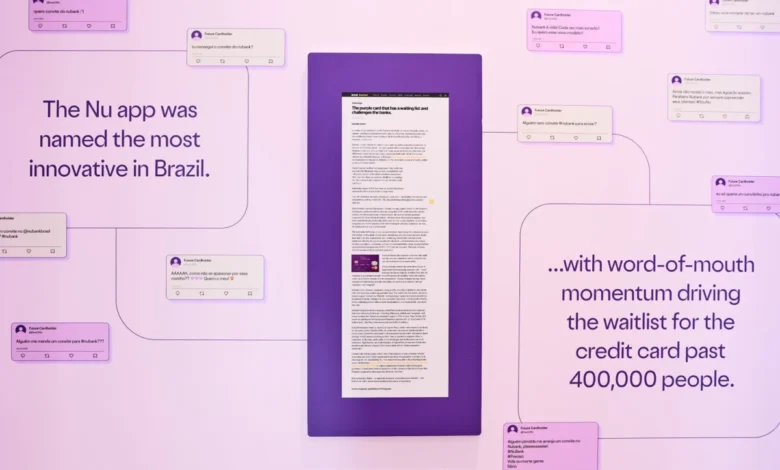
Sequoia Capital, an early and significant backer of the firm, has frequently highlighted that Nubank’s rise was not merely a technological success, but a social one. By removing account maintenance fees and eliminating complex, often predatory overdraft charges, the company fundamentally changed the cost-benefit analysis for millions of Brazilians. The "purple card"—the firm’s first product—served as a trojan horse. By focusing on credit cards initially, the company avoided the immediate need for a full banking license, allowing it to build a massive, loyal user base before expanding into full-service digital banking.
The firm’s approach to risk assessment also served as a cornerstone of its growth. Traditional banks in Brazil relied on legacy credit scoring systems that frequently excluded lower-income individuals. Nubank leveraged proprietary algorithms and alternative data sets to evaluate creditworthiness, successfully bringing 5.7 million previously unbanked individuals into the formal financial system in a single year. Today, Nubank serves more than 60% of the Brazilian adult population, cementing its position as a dominant force that has forced traditional competitors to accelerate their own digital transformation efforts.

The Competitive Landscape of the American Fintech Market
The U.S. market presents a significantly different set of challenges compared to the Latin American landscape. Unlike the concentrated oligopoly in Brazil, the United States features a highly fragmented banking sector with thousands of community banks, credit unions, and established digital-first competitors like Chime, SoFi, and Marcus by Goldman Sachs.
Analysts suggest that Nubank’s success in the U.S. will depend on its ability to differentiate itself in an environment where high-yield savings accounts and cash-back credit cards have become standard offerings for fintech apps. However, the firm’s proven track record in financial inclusion and its robust proprietary technology platform provide a distinct advantage. By focusing on the "unbanked" or "underbanked" segments of the U.S. population—those who are often ignored by traditional institutional banking due to low balance requirements or thin credit histories—Nubank can leverage its existing playbook to acquire market share.
Furthermore, the international remittance component of the launch suggests a focus on the immigrant population within the U.S. With high volumes of capital flowing between the U.S. and Latin America, Nubank is uniquely positioned to act as a bridge, offering a frictionless, low-cost experience that incumbent banks have struggled to provide.
Regulatory and Financial Implications
The transition to a national bank charter in the United States will be the next major milestone for the company. Should the Federal Reserve and FDIC grant final approval, Nubank will be subject to more stringent capital requirements and oversight, but it will also gain access to federal funds and the ability to hold deposits directly, which will significantly improve its net interest margins.
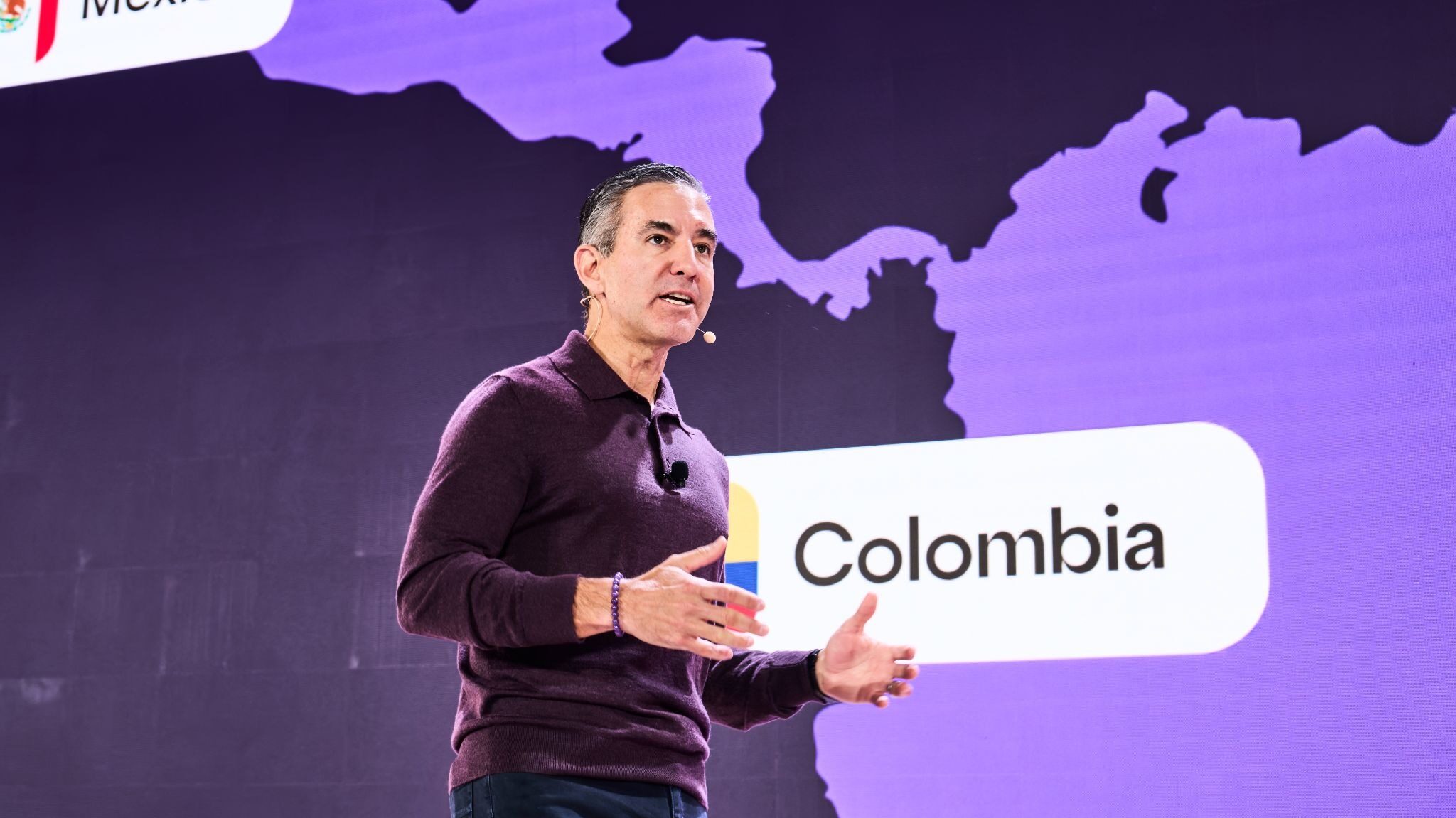
Data from the company’s recent earnings reports indicates that its international expansion is scaling rapidly. As of late 2025, the firm has demonstrated consistent profitability, suggesting that the capital required for its U.S. expansion is supported by a stable balance sheet. However, the costs associated with customer acquisition in the U.S.—where marketing spend is significantly higher than in Brazil—will remain a metric of close interest for shareholders and industry analysts.
Looking Ahead: The Future of Consumer Finance
The arrival of Nubank is emblematic of a broader trend: the globalization of fintech. As technology allows for the rapid scaling of financial services across borders, firms are no longer limited to their home markets. Nubank’s ability to scale from a small office in São Paulo to a multi-billion-dollar entity operating across three continents provides a blueprint for the next generation of global financial institutions.
For the American consumer, the entry of a well-capitalized, technology-forward competitor is likely to sustain the pressure on traditional banks to innovate. As digital banking becomes the default expectation, the firms that prioritize user experience, transparency, and accessible financial tools are expected to capture the majority of the market growth.
In the coming months, the industry will watch closely as Nubank navigates the regulatory hurdles of the Federal Reserve and attempts to translate its "underdog" brand identity into the highly competitive American banking environment. Whether it can replicate the scale of its Brazilian success remains to be seen, but the company’s arrival in Miami marks the beginning of a new chapter in the ongoing evolution of consumer banking in the United States.
Related posts: